Every number on this page comes from the project's own records (the hour-by-hour DEVLOG.md, the design docs under Docs/, git history and build logs). Where something was measured by a bot or in the editor rather than by a person, it says so. See Accuracy notes for what we could not verify.
Contents
01The game
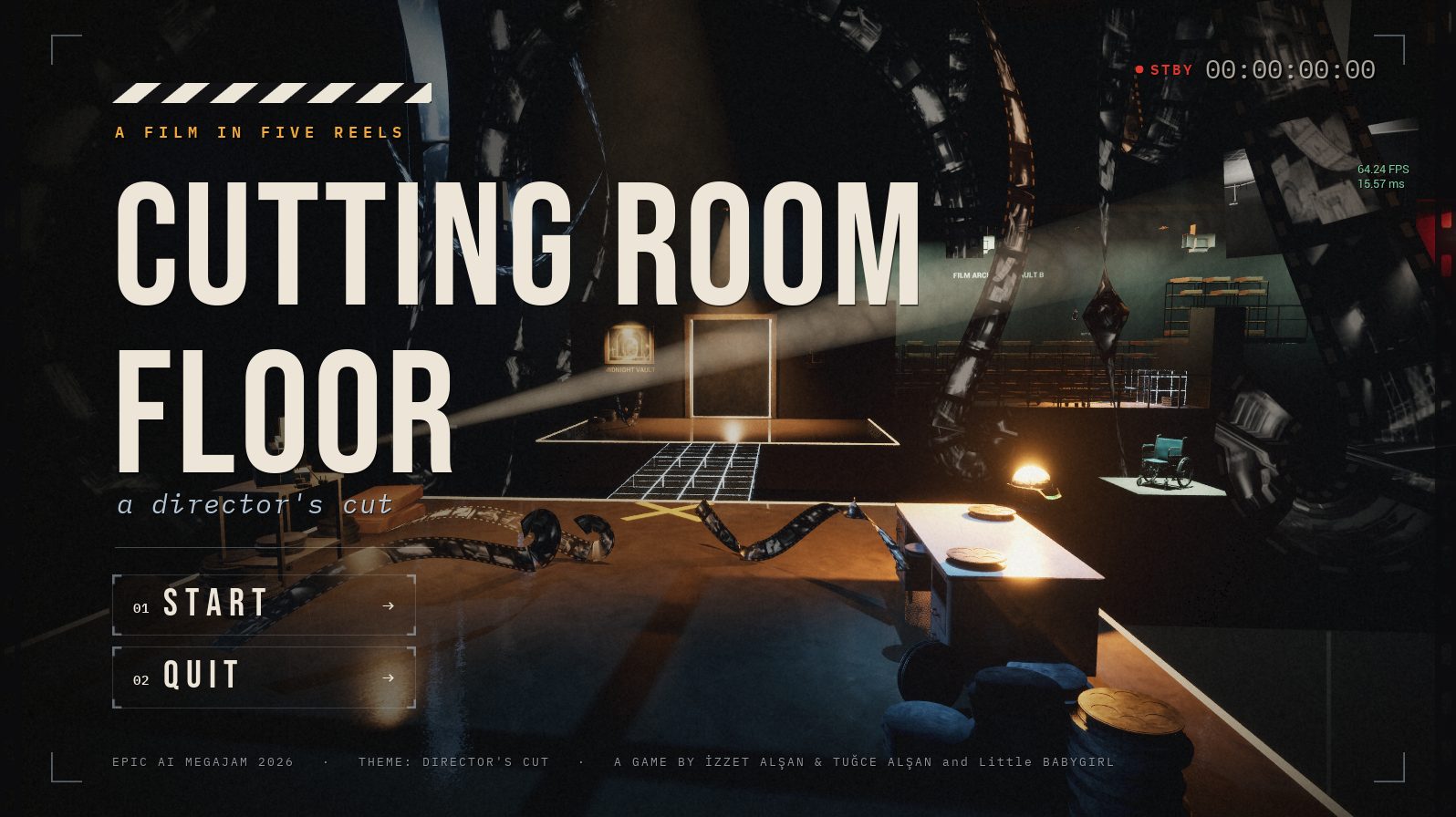
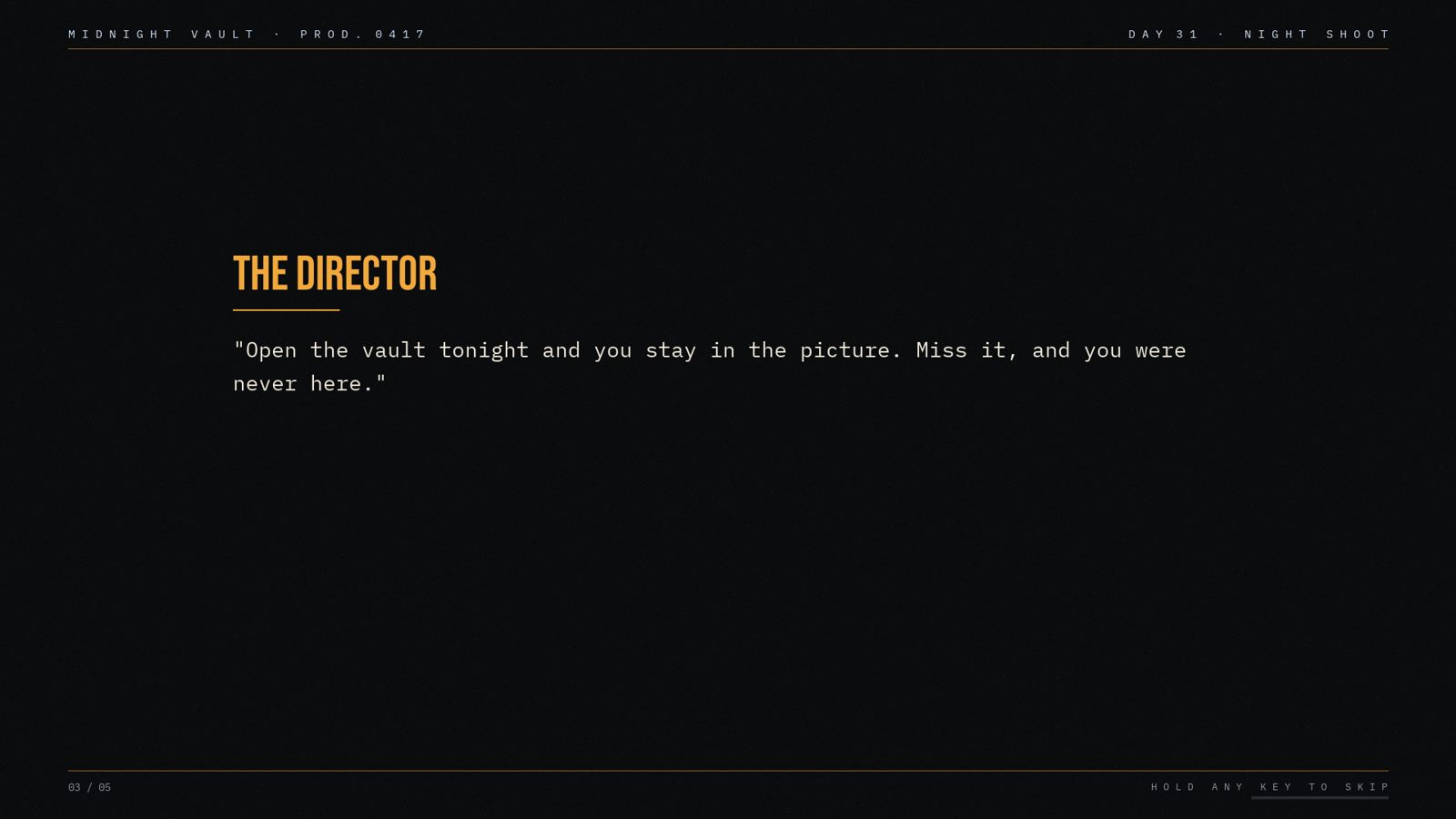
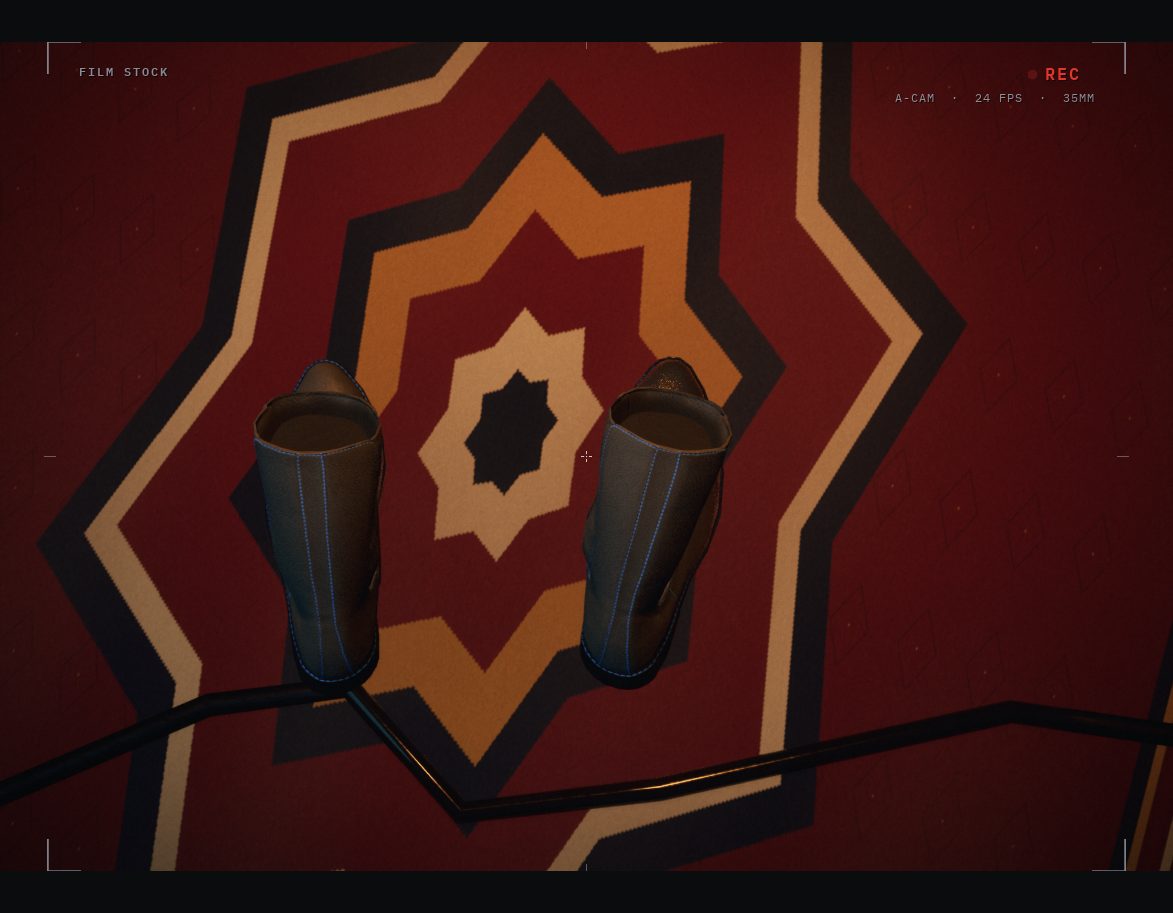
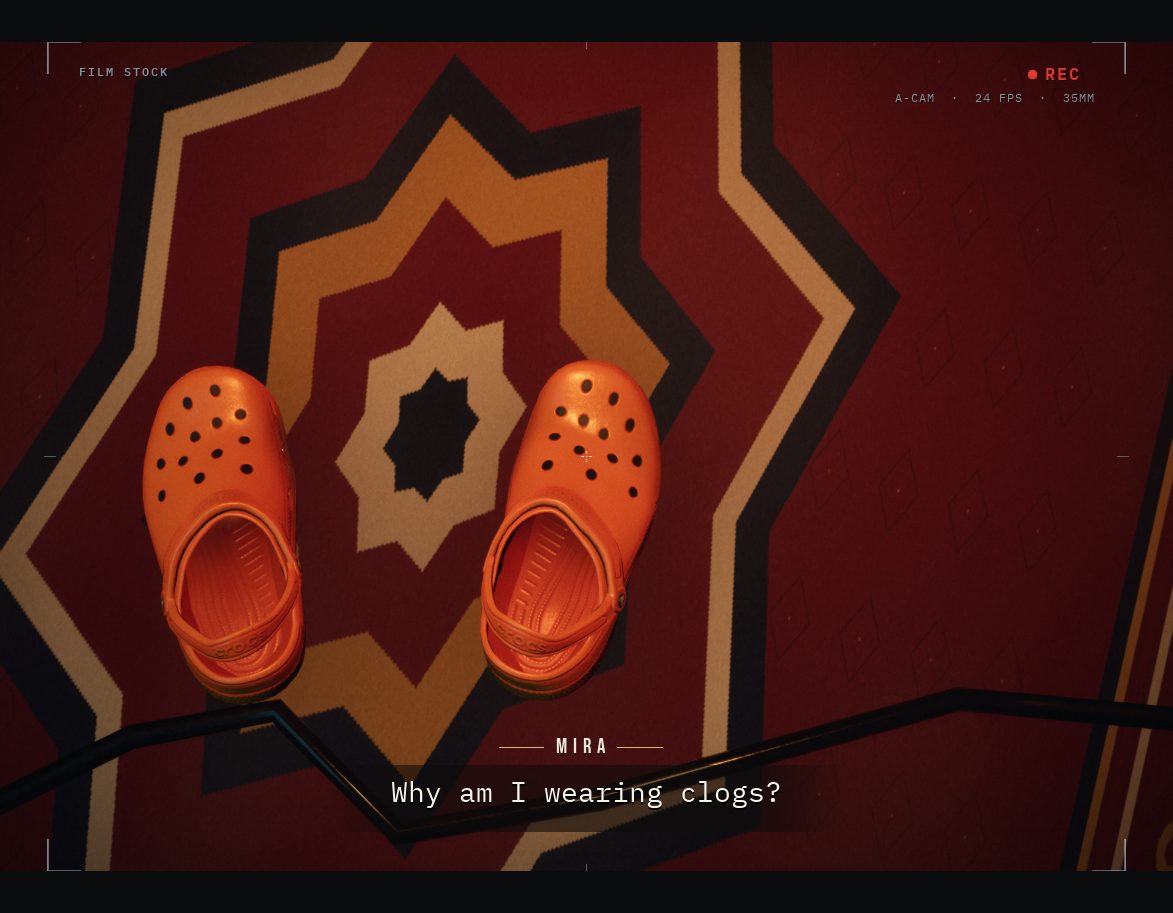
You play Mira Kaye, a stand-in actress who finally got one real part — the safecracker in a heist picture called Midnight Vault — and then got cut. The game opens with five typewriter cards about Scene 41, the night shoot at the vault, and ends mid-sentence: “And then the director called—”. Mira wakes up on the floor of a cutting room, wearing the wrong shoes.
Docs/Story_Intro.md).Mechanics
Placeholder vs. rendered
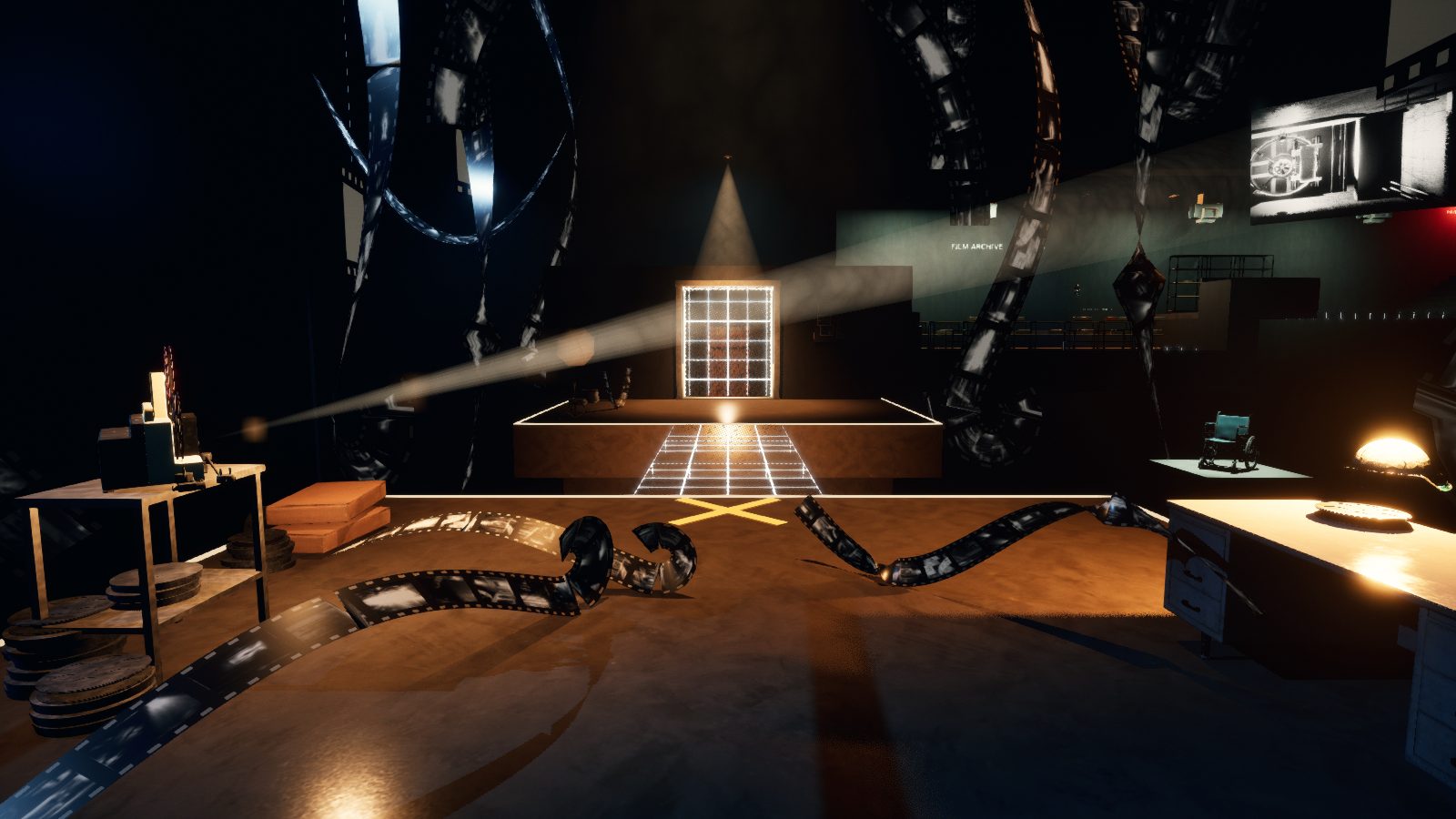
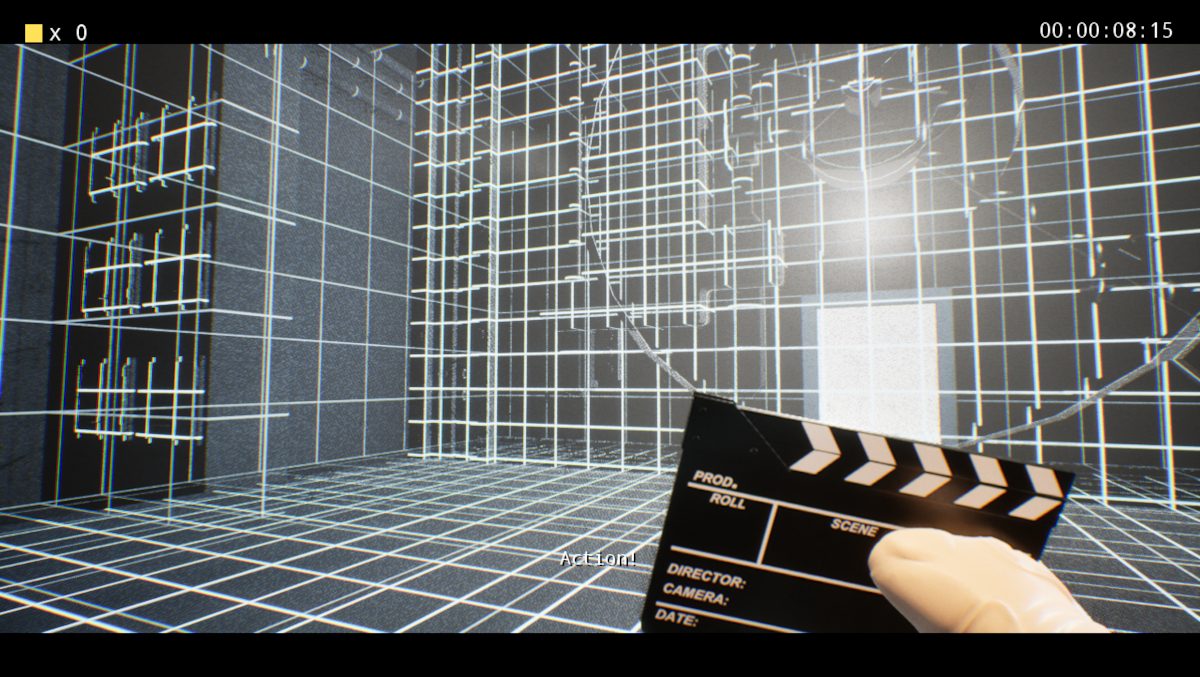
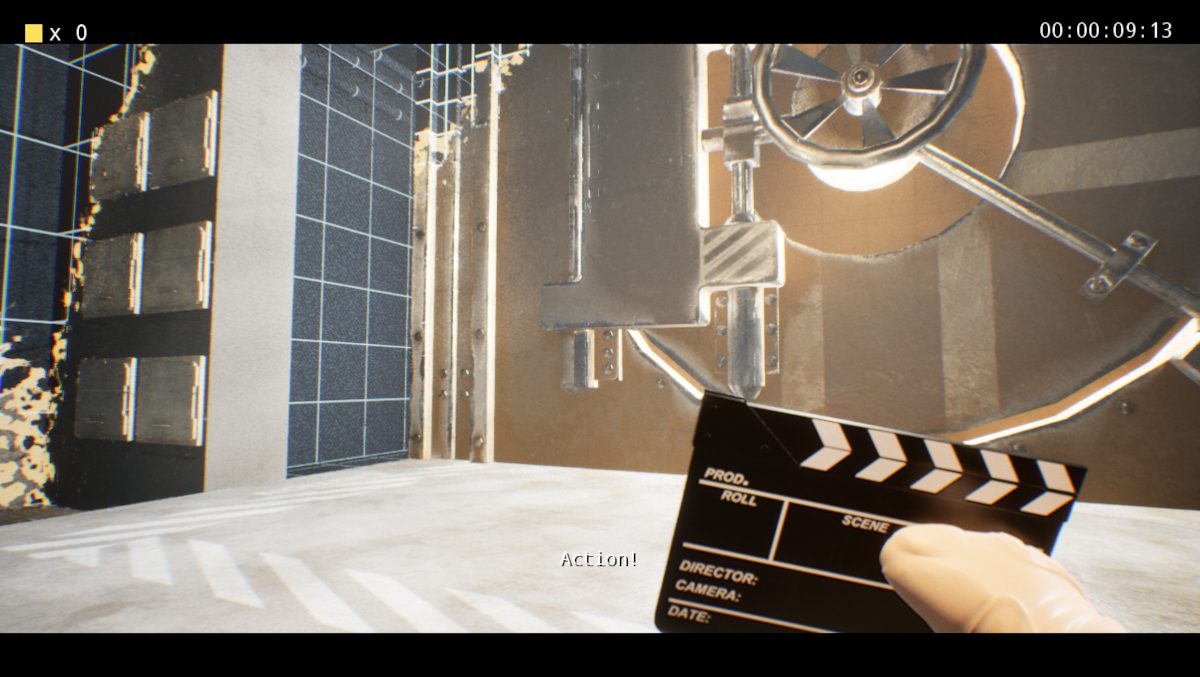
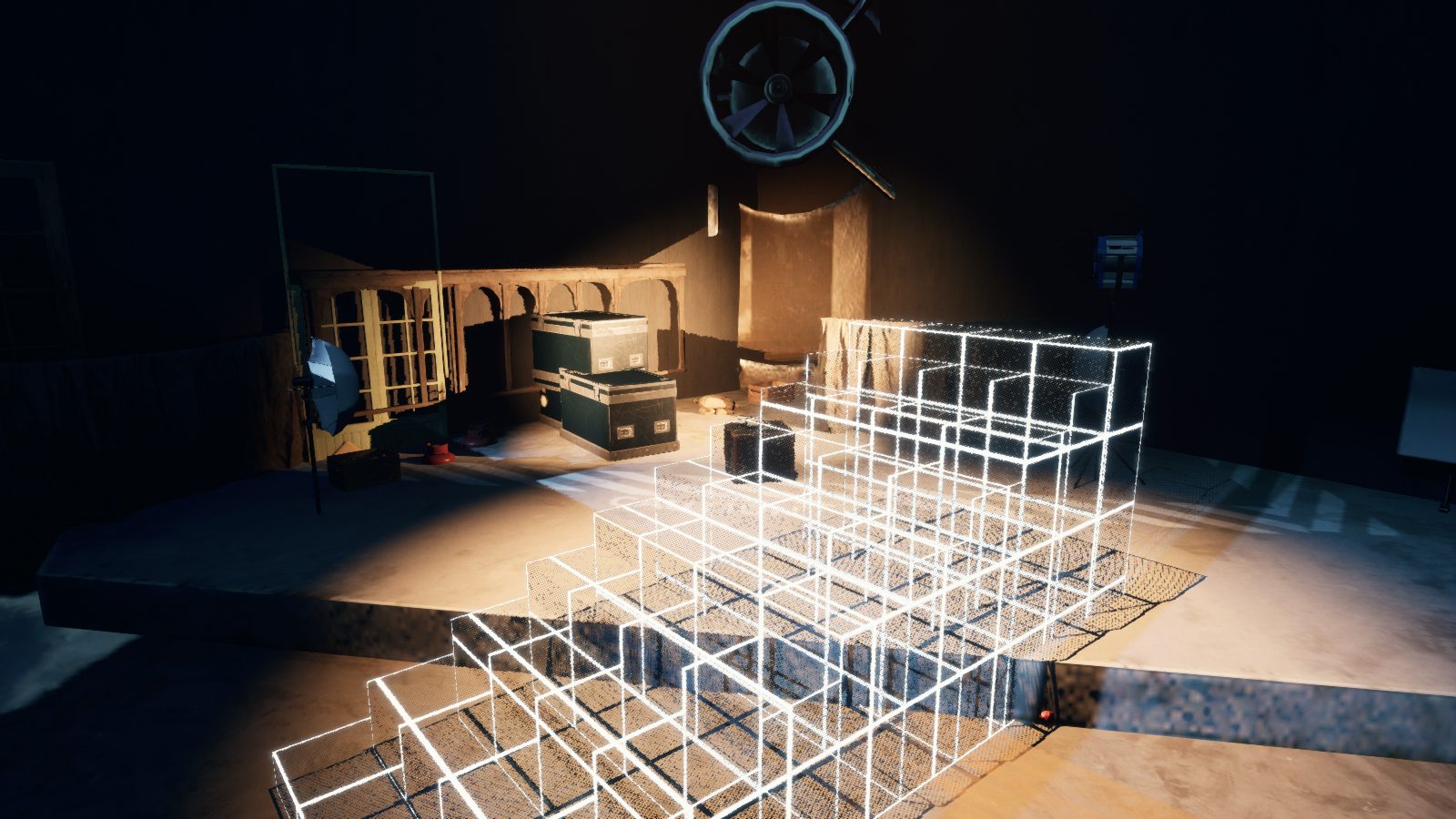
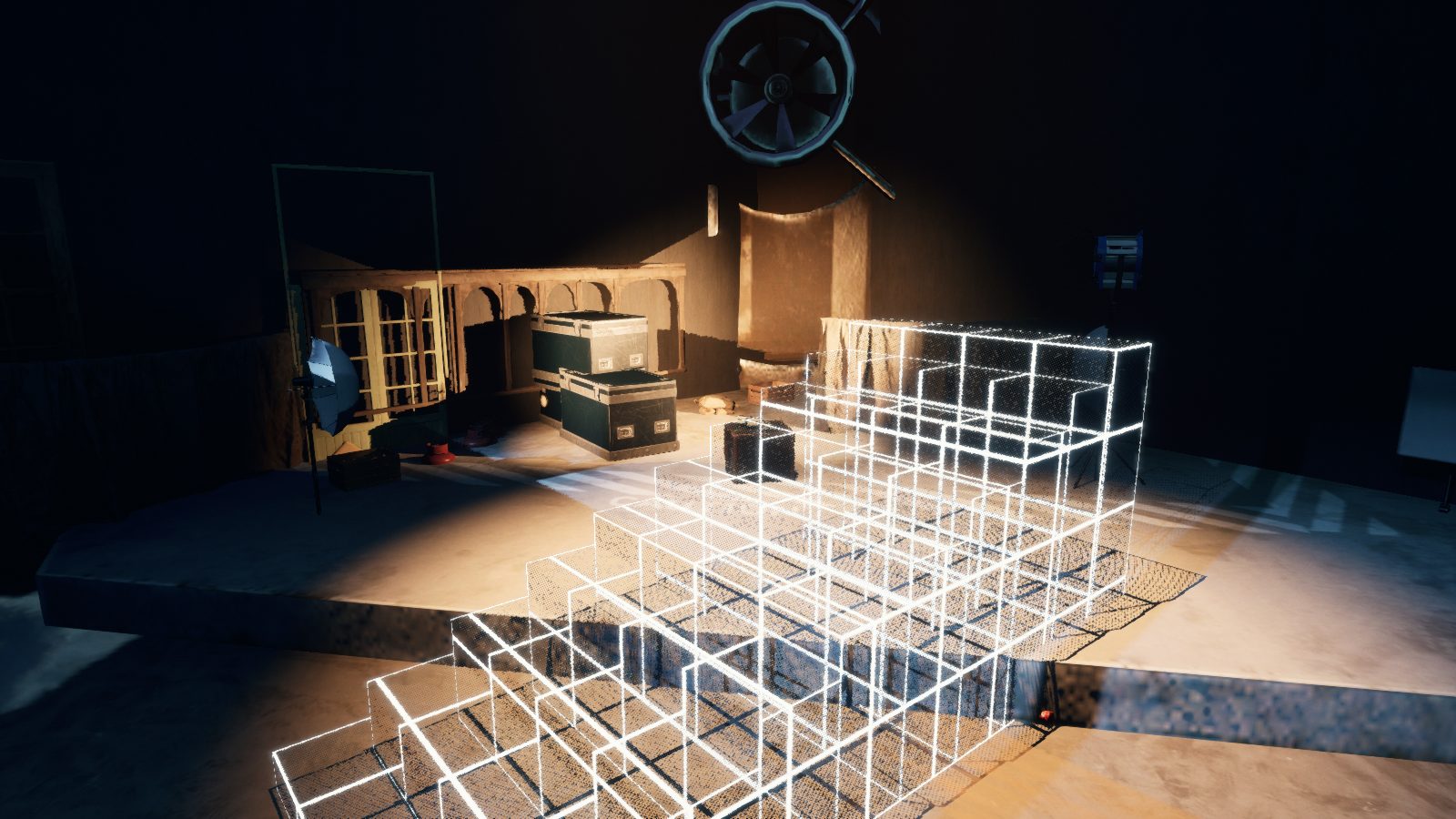
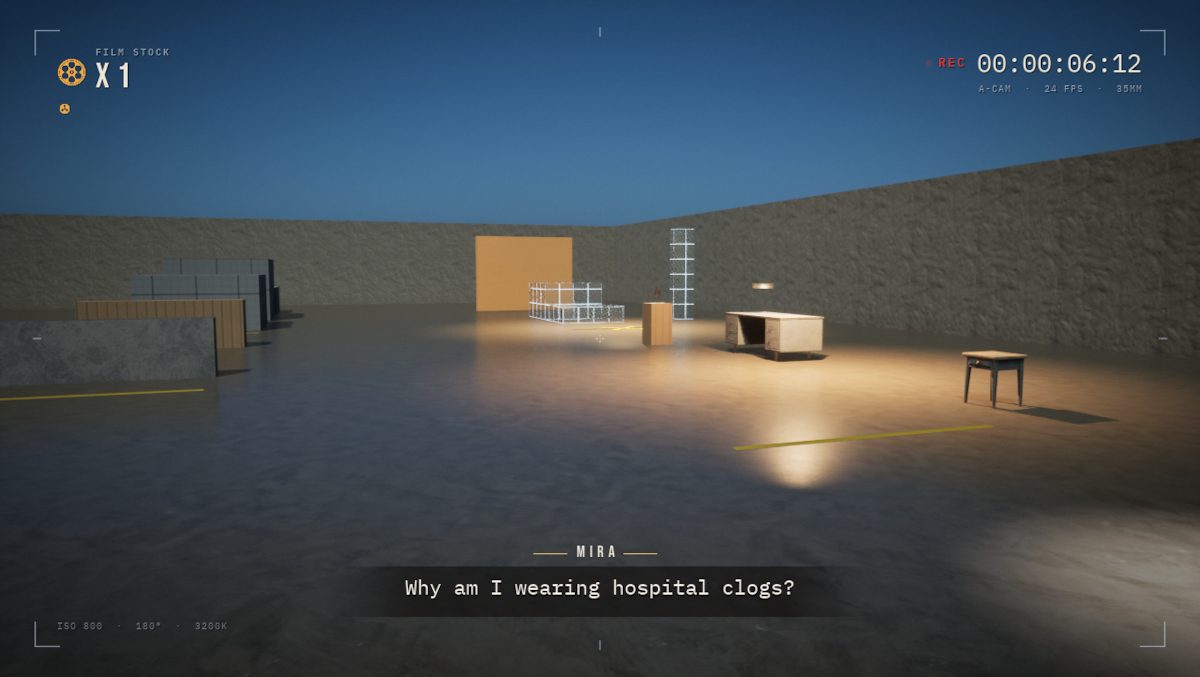
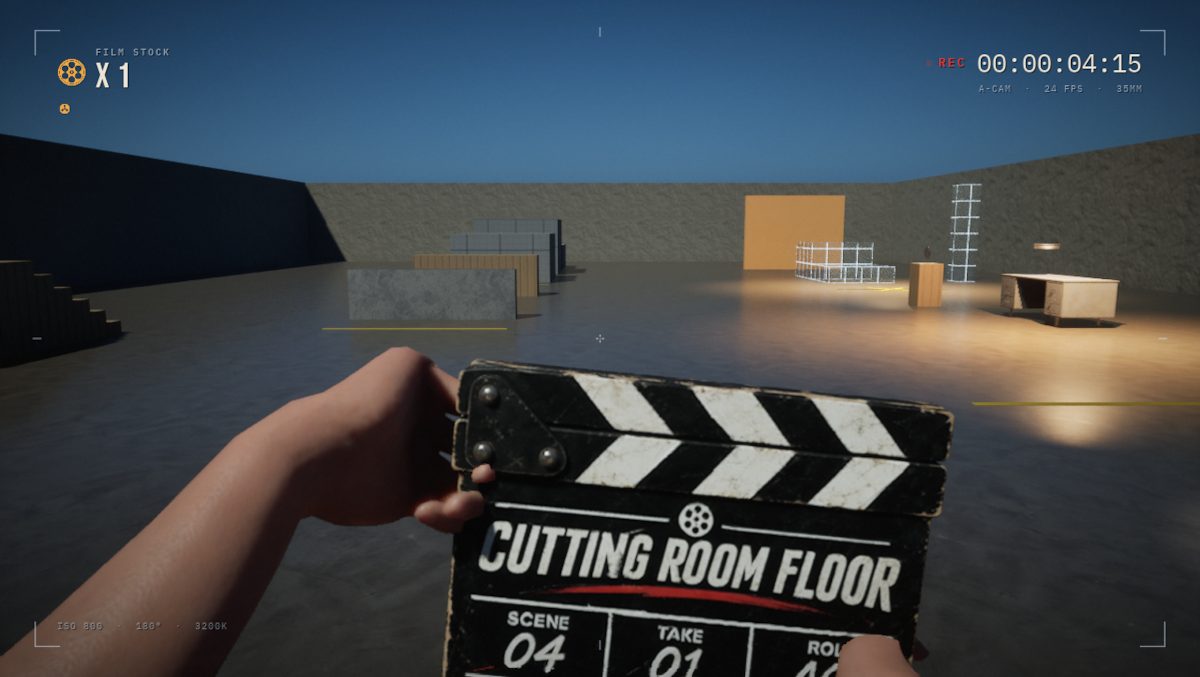
The world exists in two states. Placeholders are blue wireframe, see-through and have no collision — you walk straight through them. Rendered objects have real materials and are solid.Action! — on a Render Mark
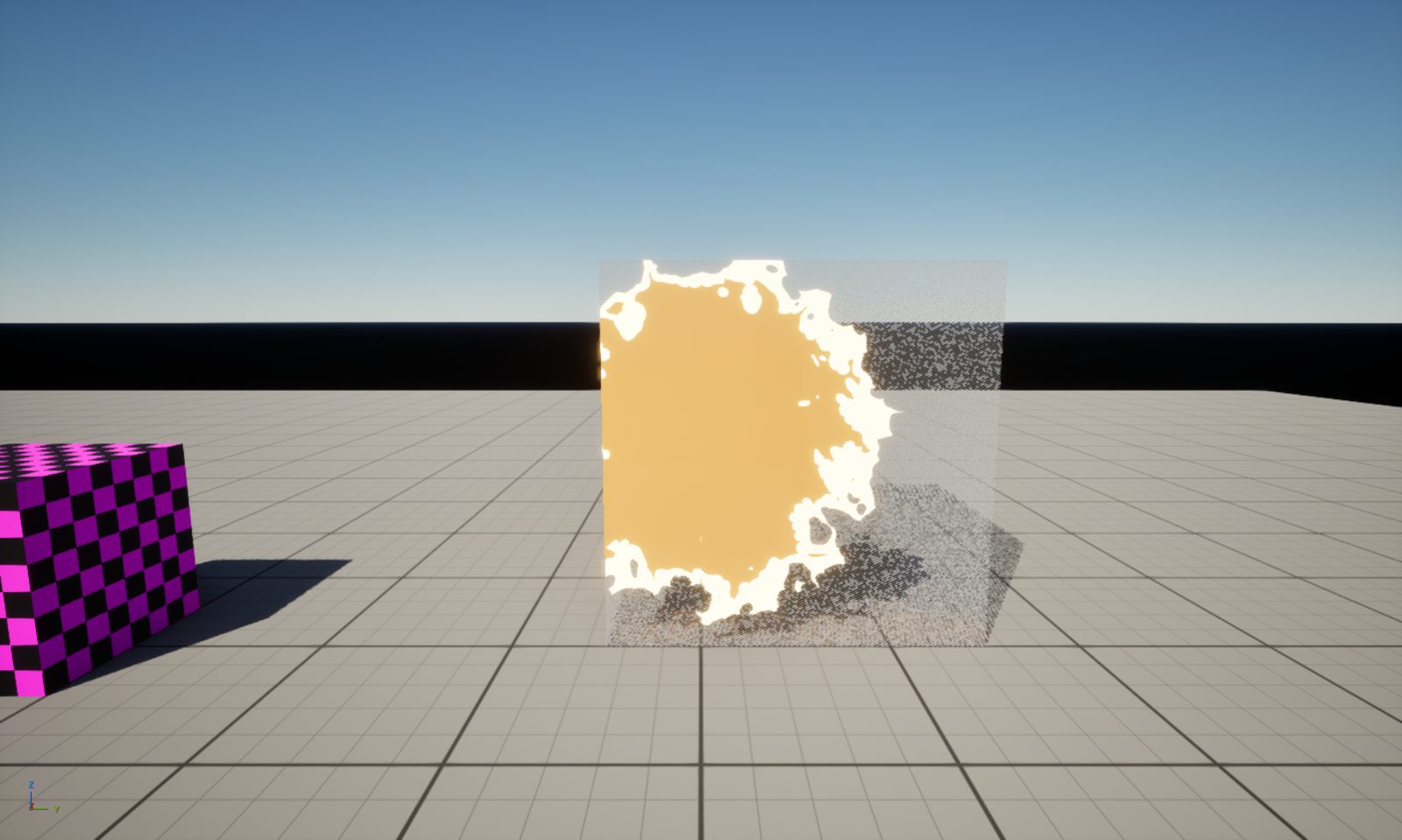
Stand on a taped X and press Action!. A spherical wave rolls out from the mark; everything placeholder inside its radius renders in with an amber burn edge and a burst of cubes. It costs one reel of film.Cut — at anything
Aim the clapper at a rendered object and Cut: it dissolves back to wireframe. In Chapter 1, cutting a take you rendered winds the film back (+1 reel) — a rule added after a playtest softlock (see What went wrong).Reels, slate, torch
Film is found, not given: reels hide in drawers, cans and projectors. A small inventory strip (FILM / SLATE / TORCH) tracks what Mira carries; the torch matters in the dark projection gallery.The world erases behind you
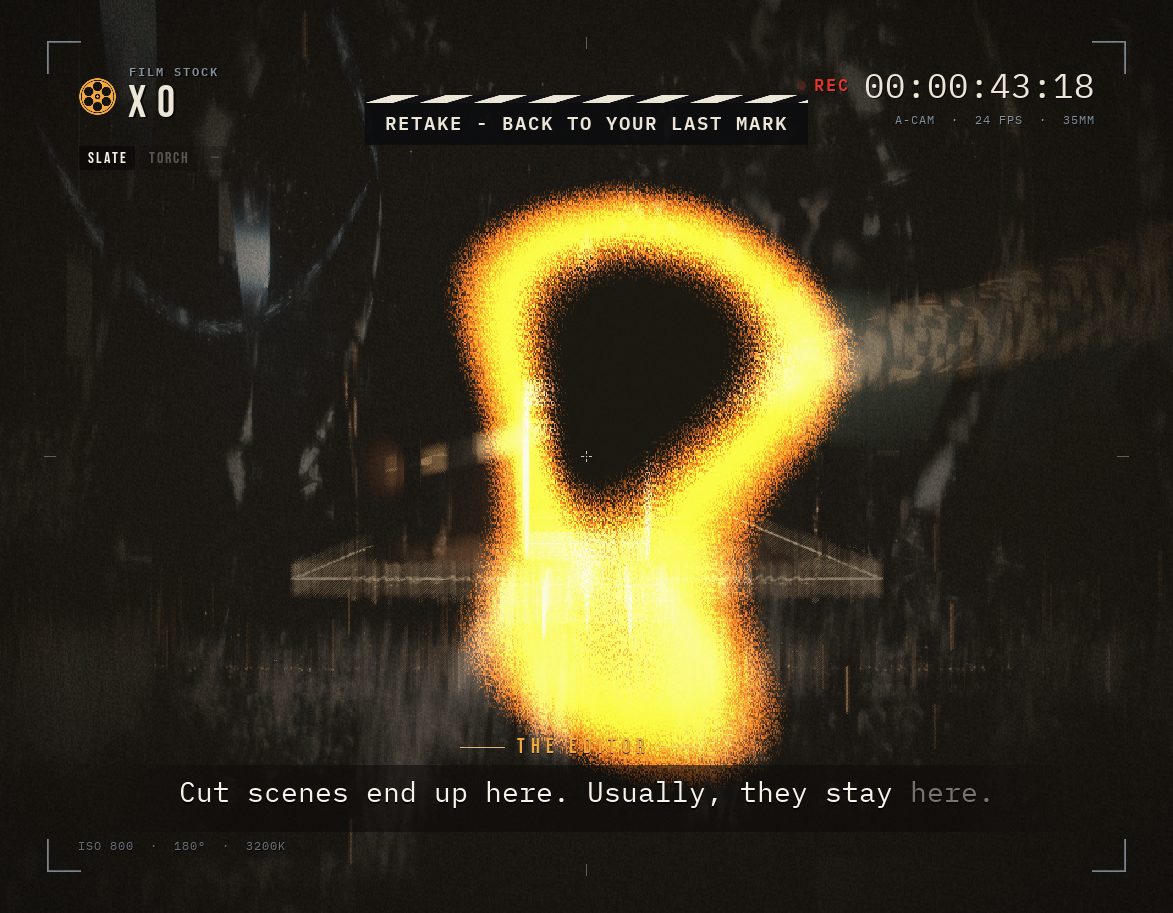
There are no enemies. Instead a burning fade front follows Mira through Chapter 1, eating the set from behind. It waits at puzzle rooms and chases in short corridors. Get caught and the film burns, rewinds to your last mark, and THE EDITOR sighs: “Take two.” As it closes in, a heart-monitor beep slows down.Hands, doors, mirrors
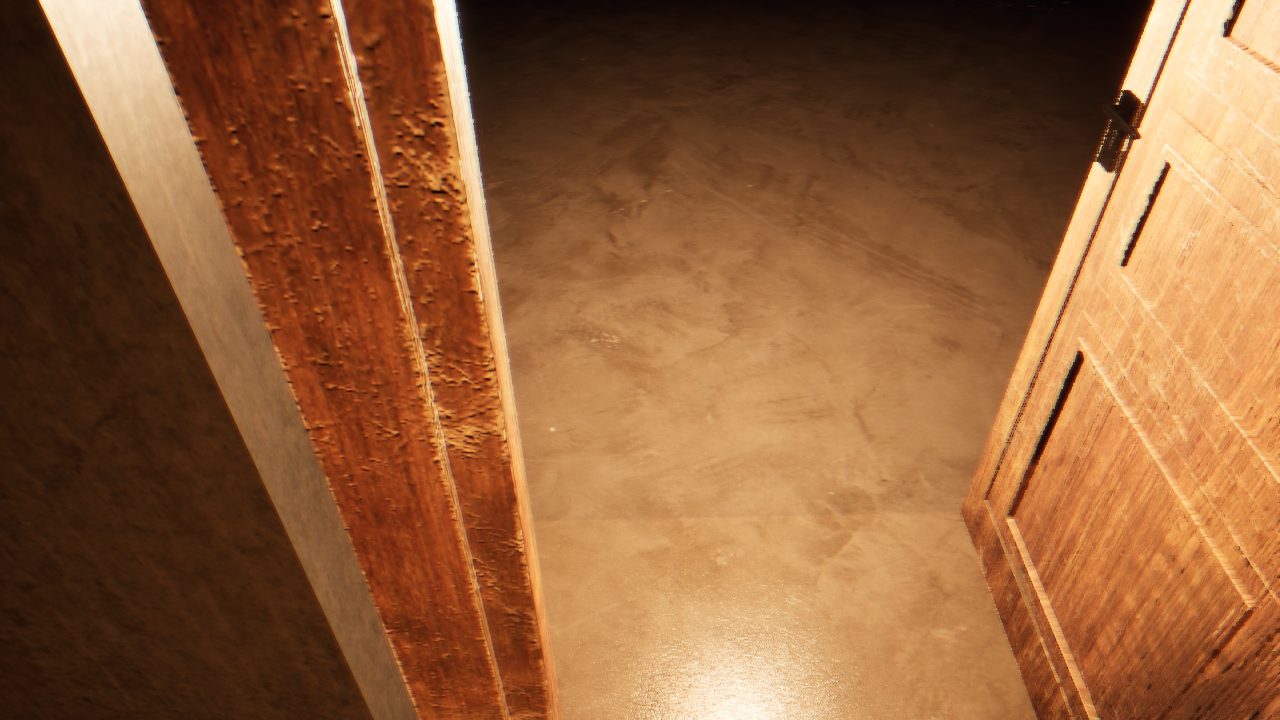
Mira has a full body in first person (MetaHuman + motion matching). She holsters the clapper to open doors by the handle, picks reels off the floor, and in one room sees herself in a mirror for the first time.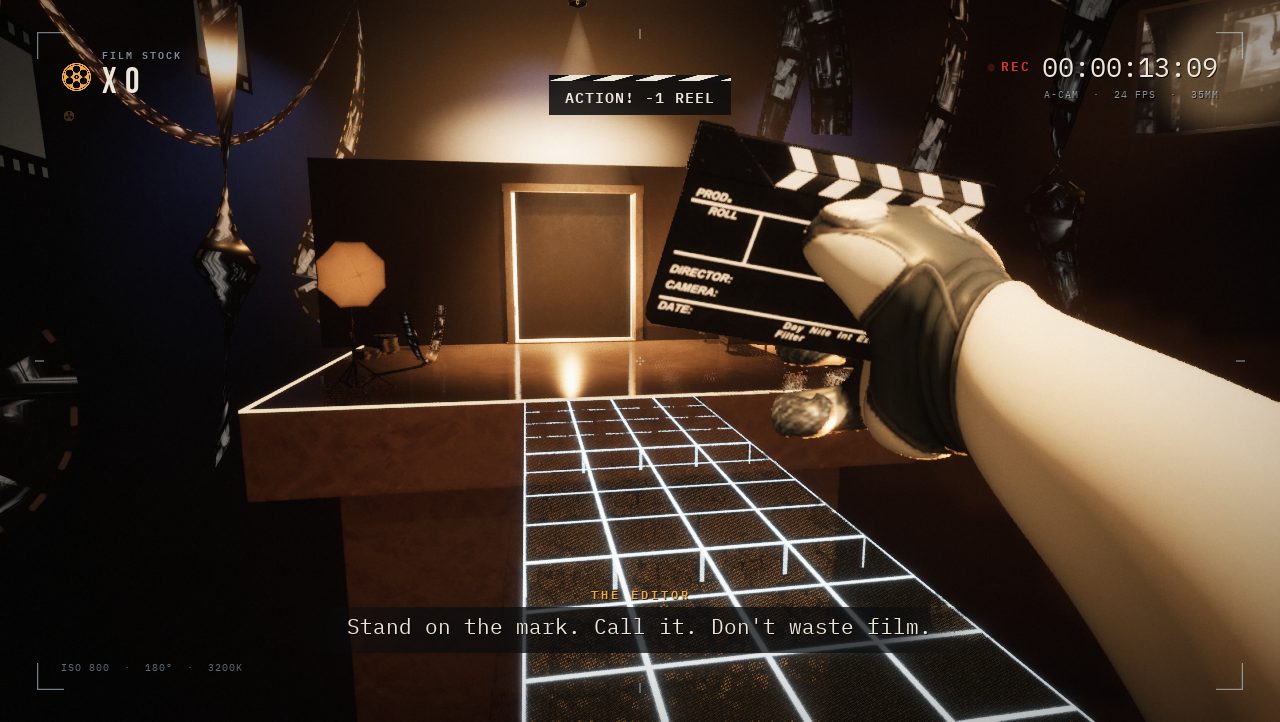
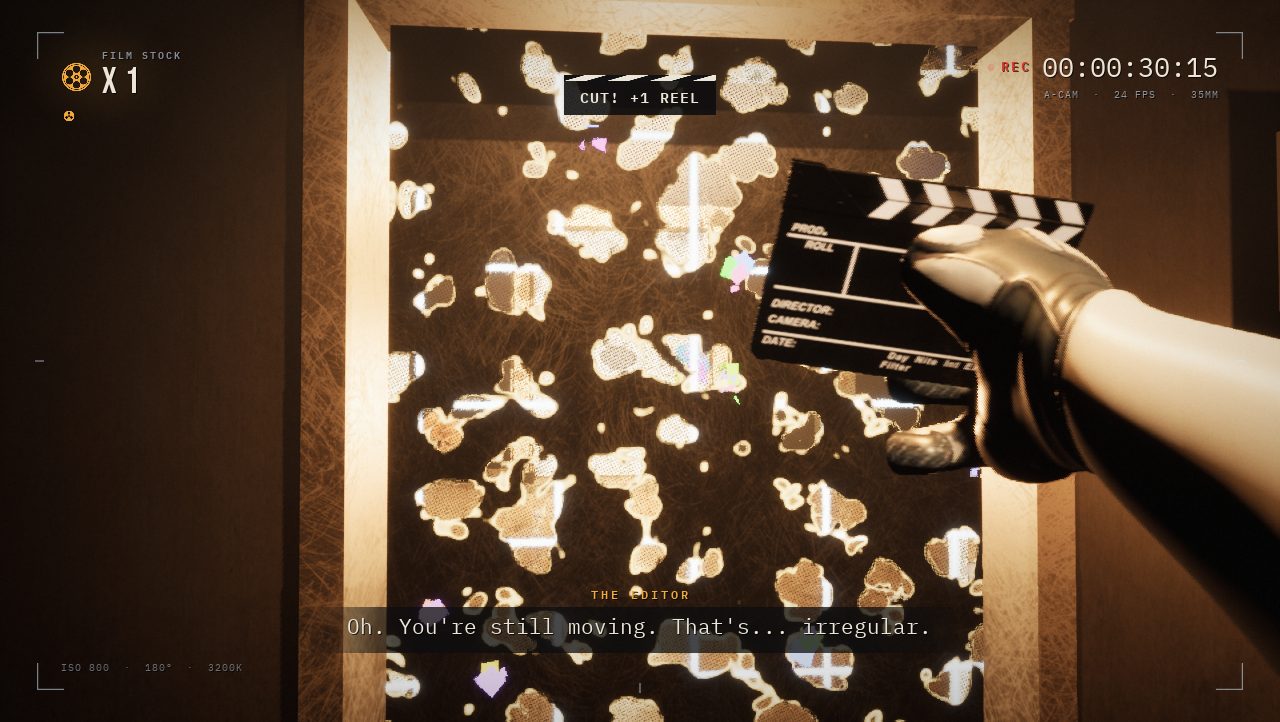
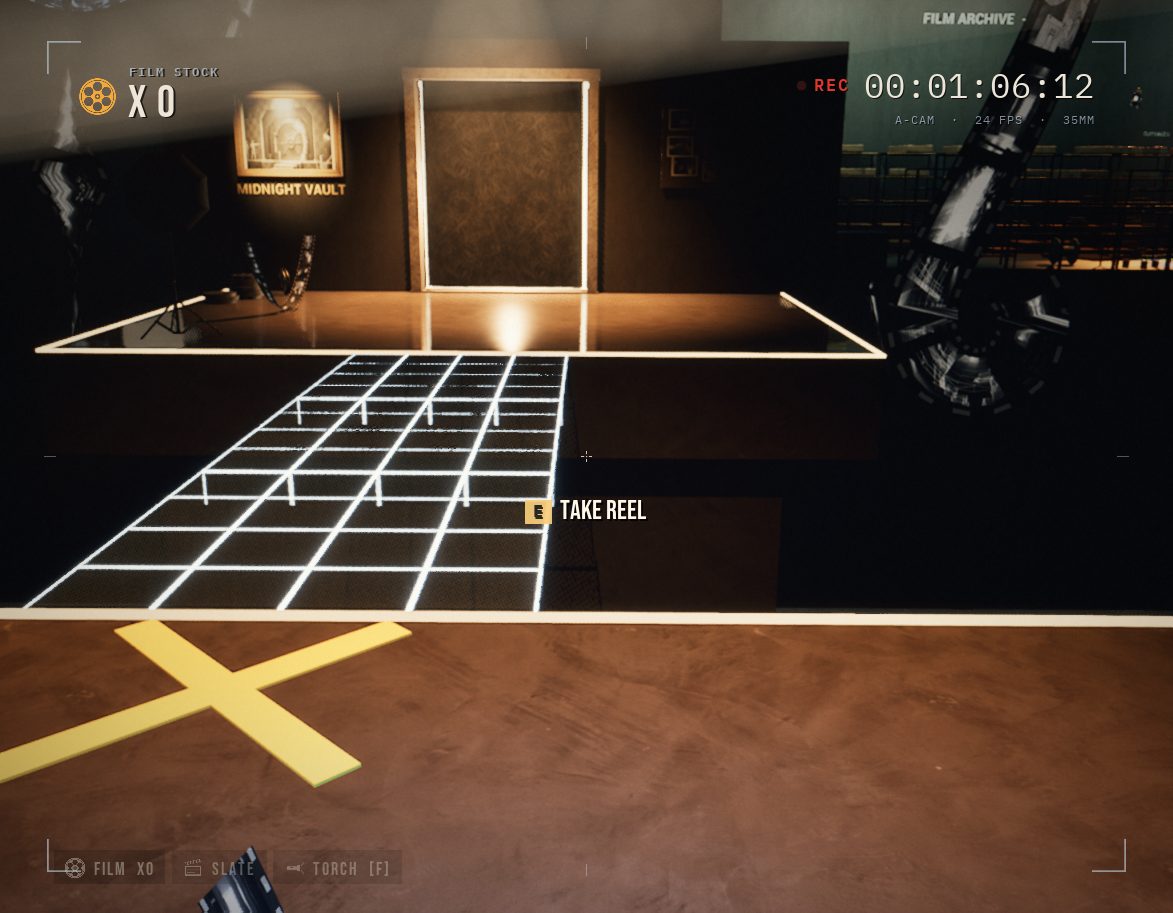
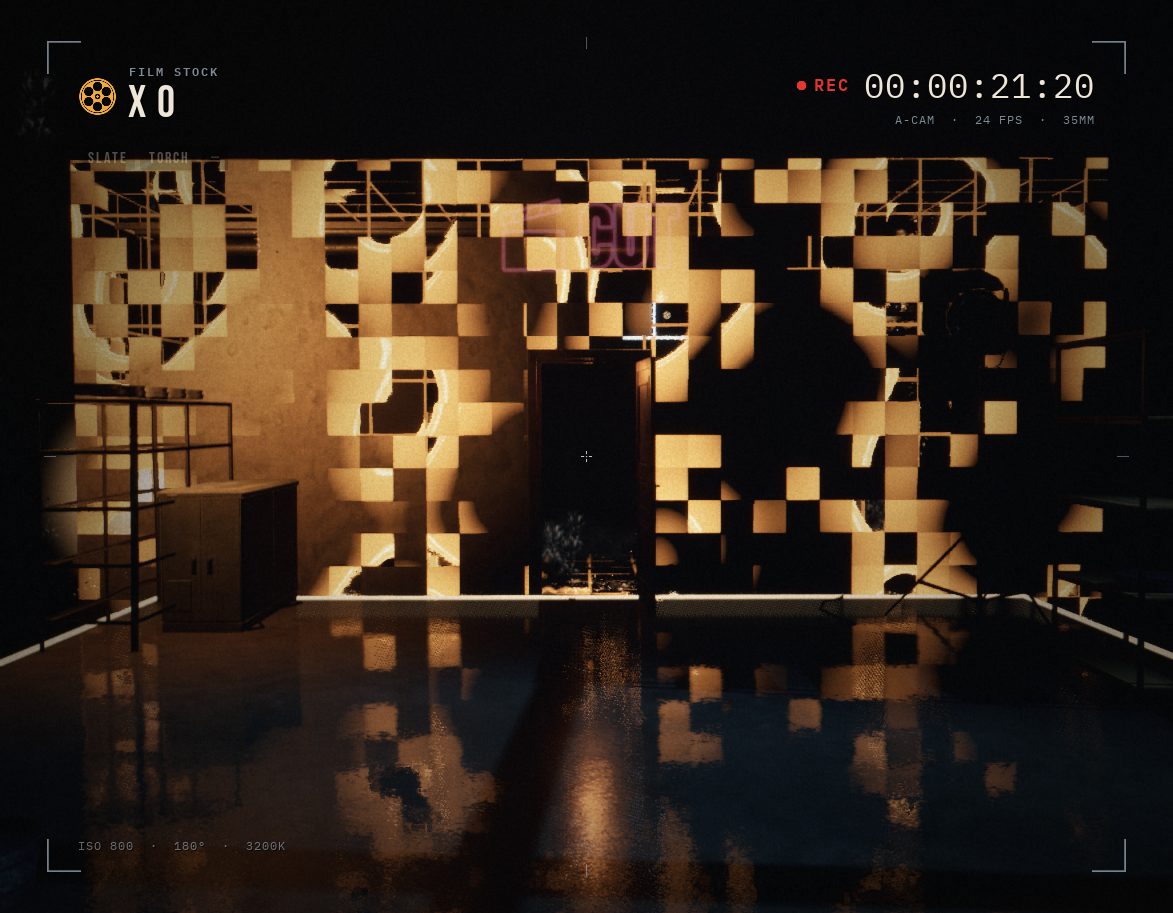
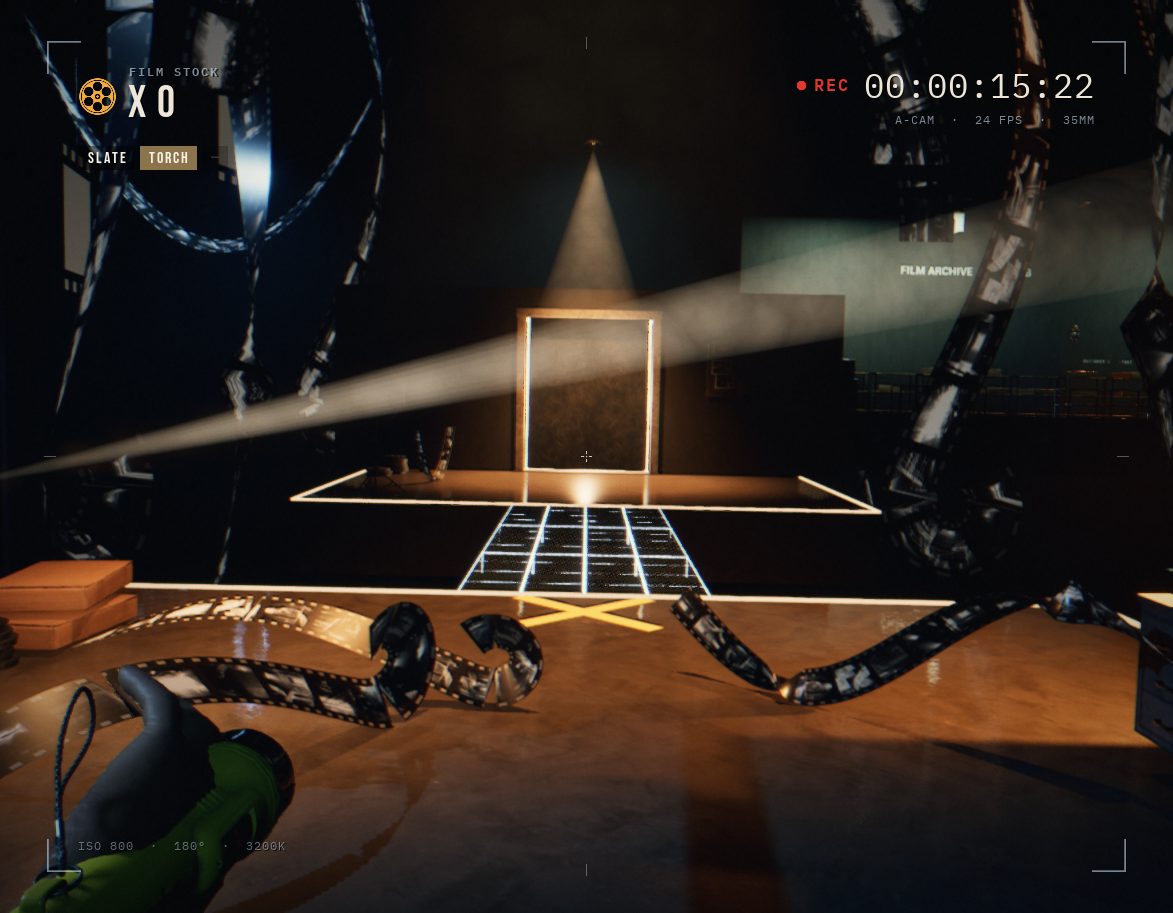
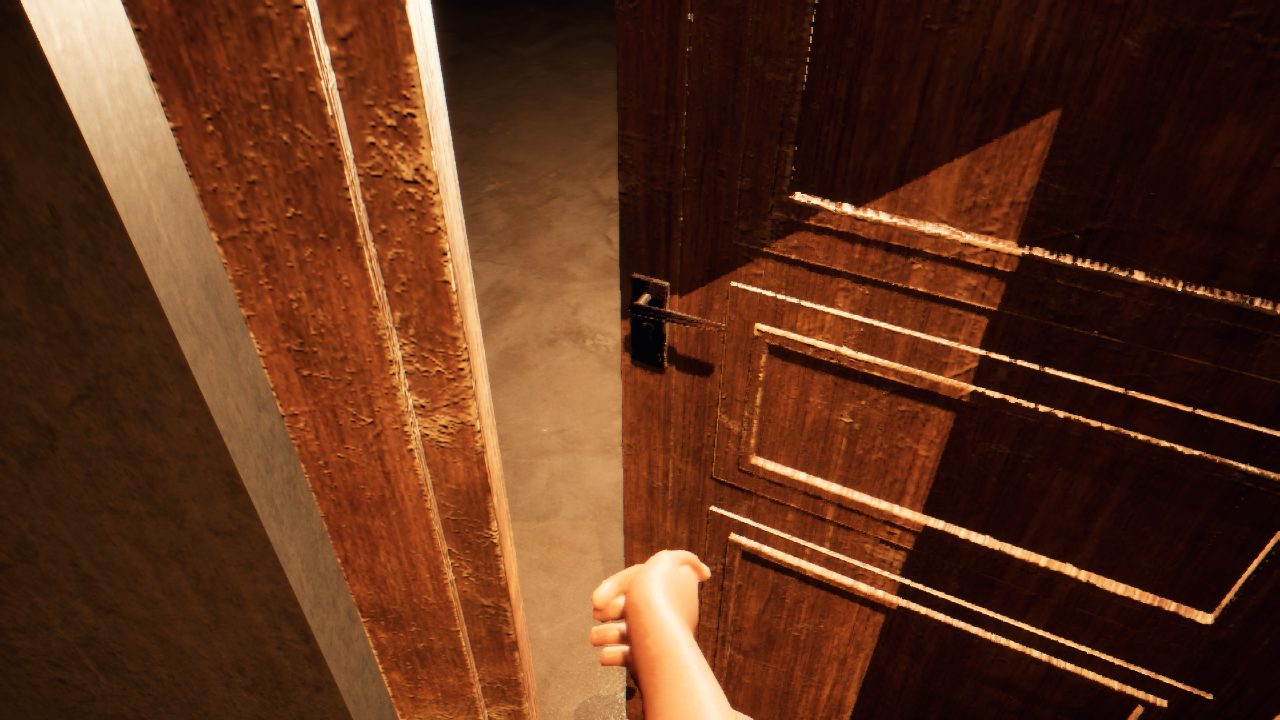
Chapters — before and after
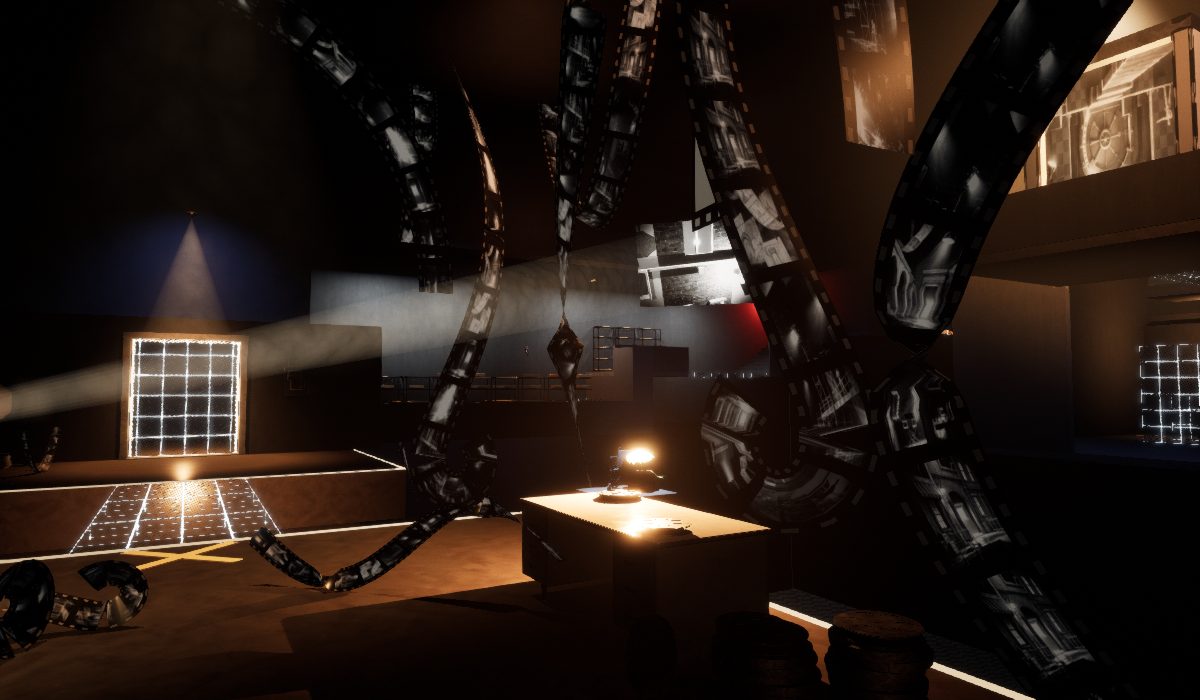
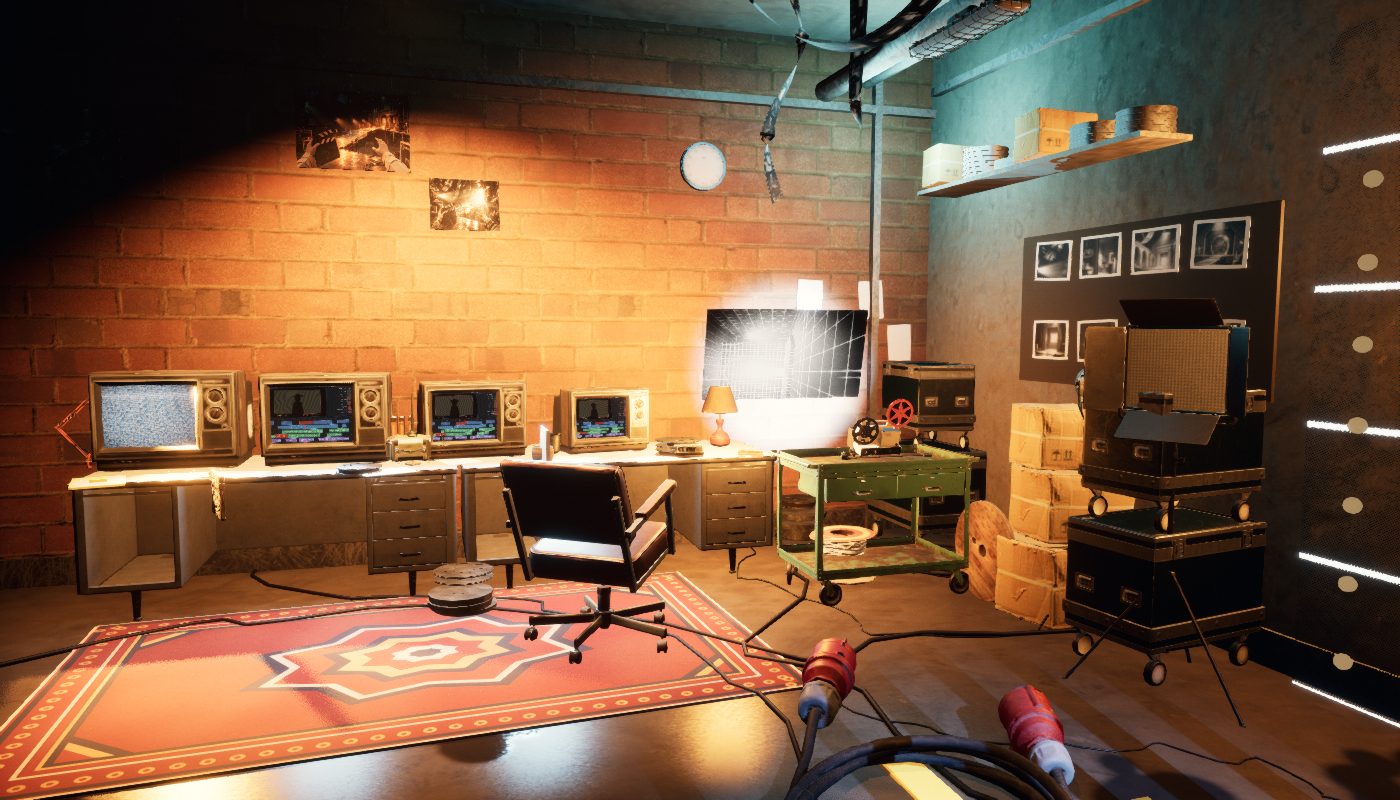
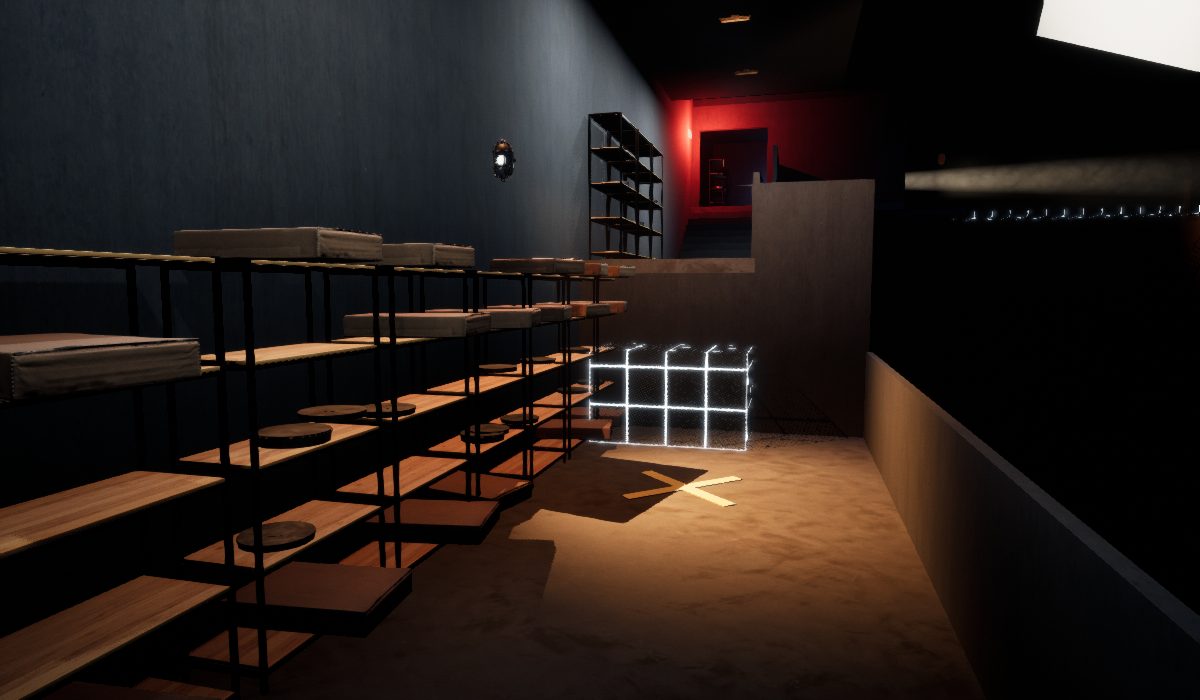
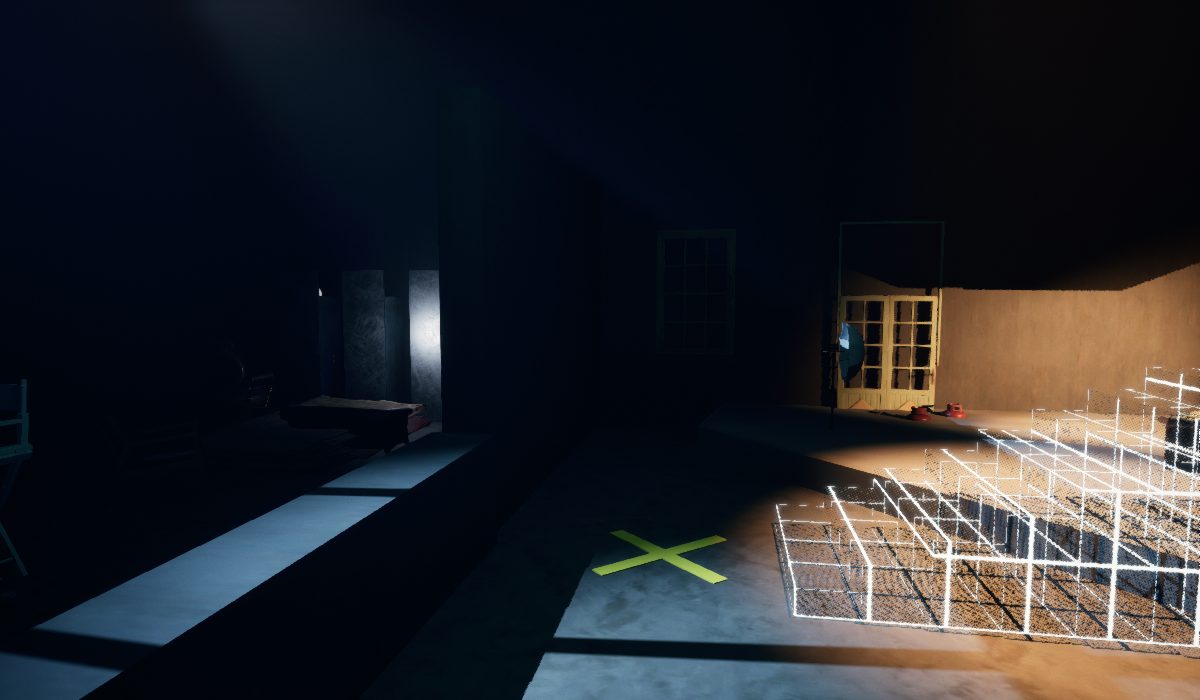
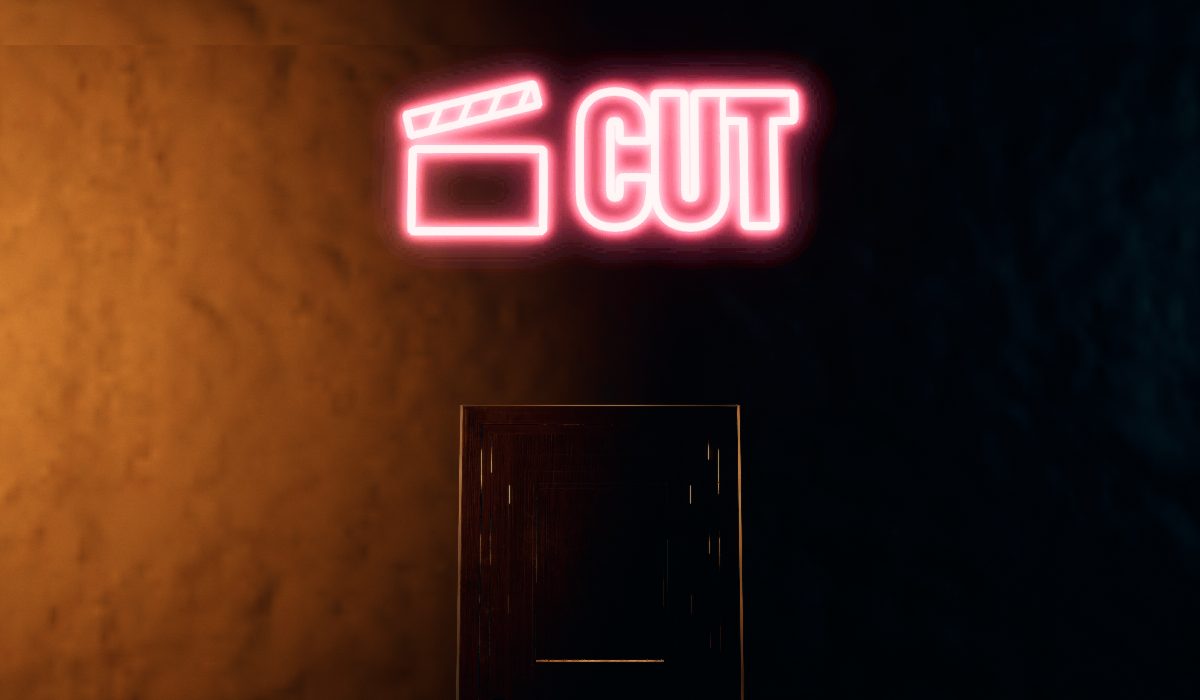
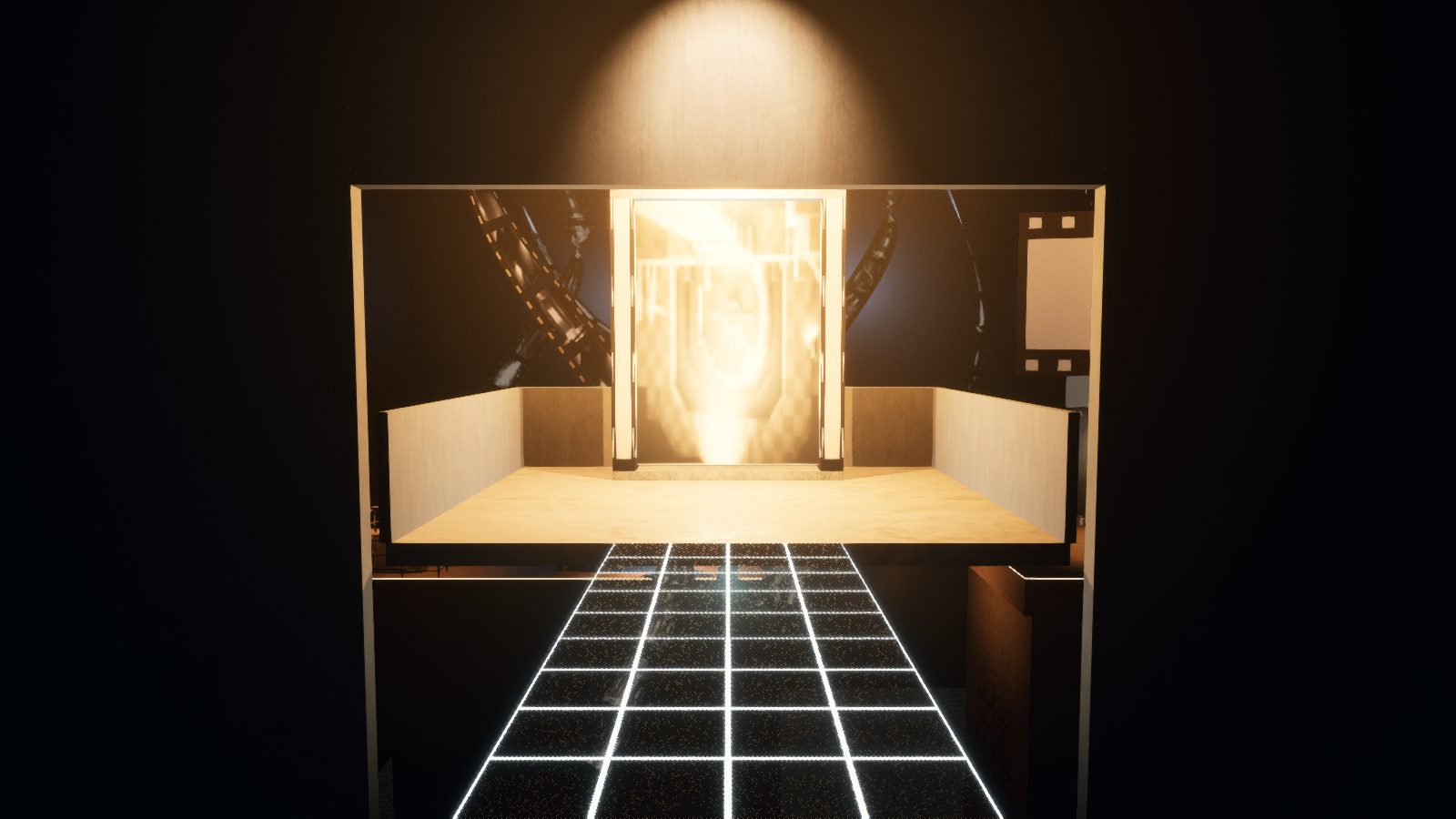
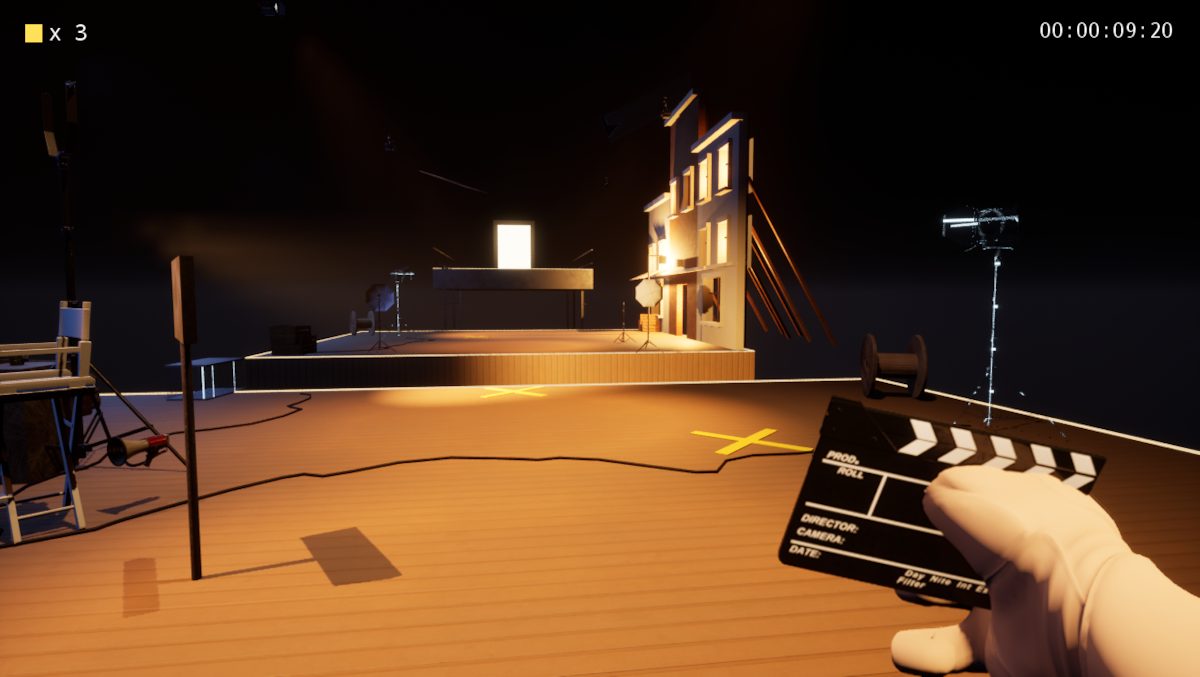
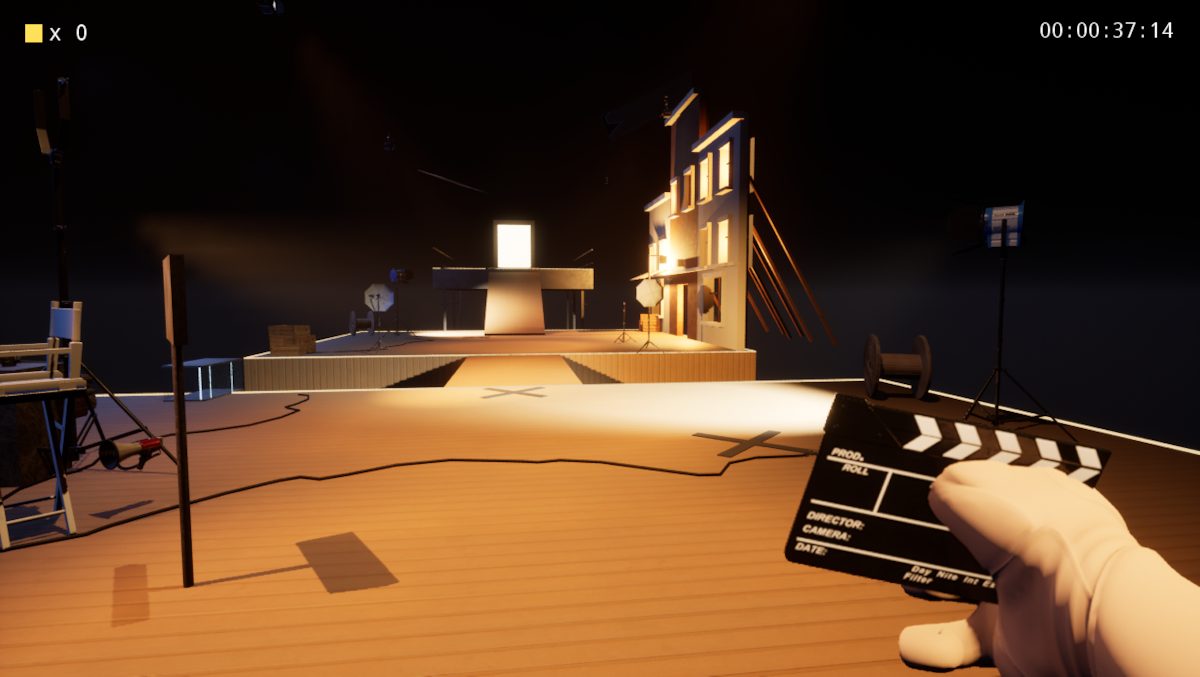
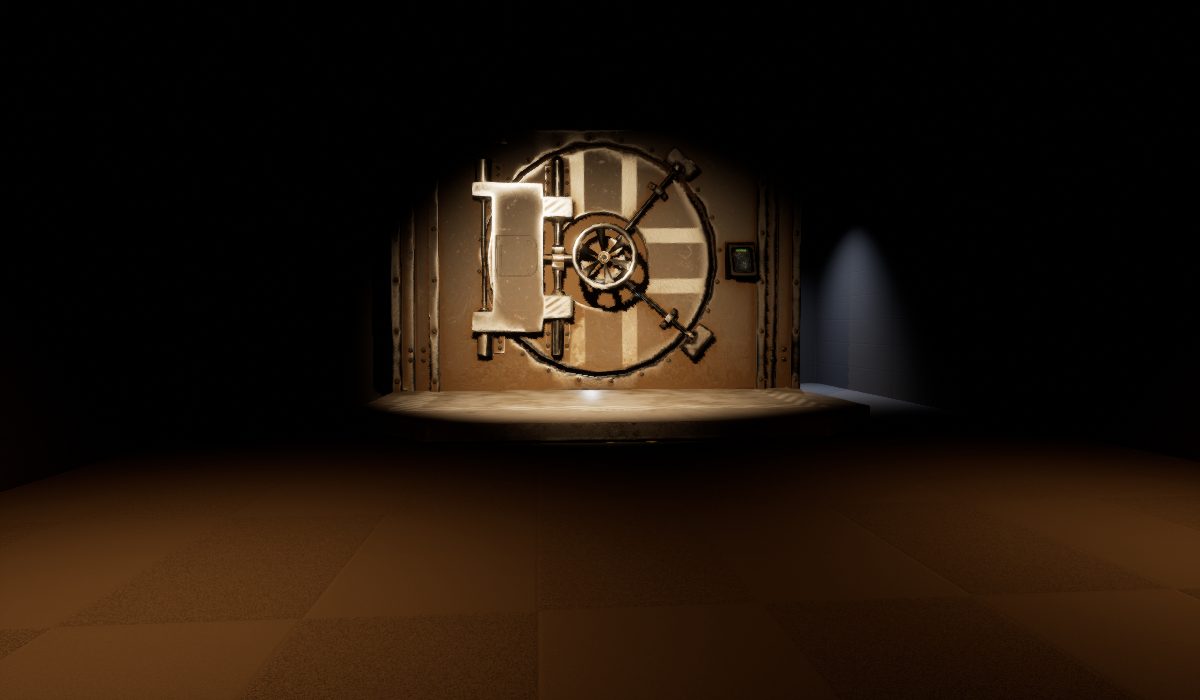
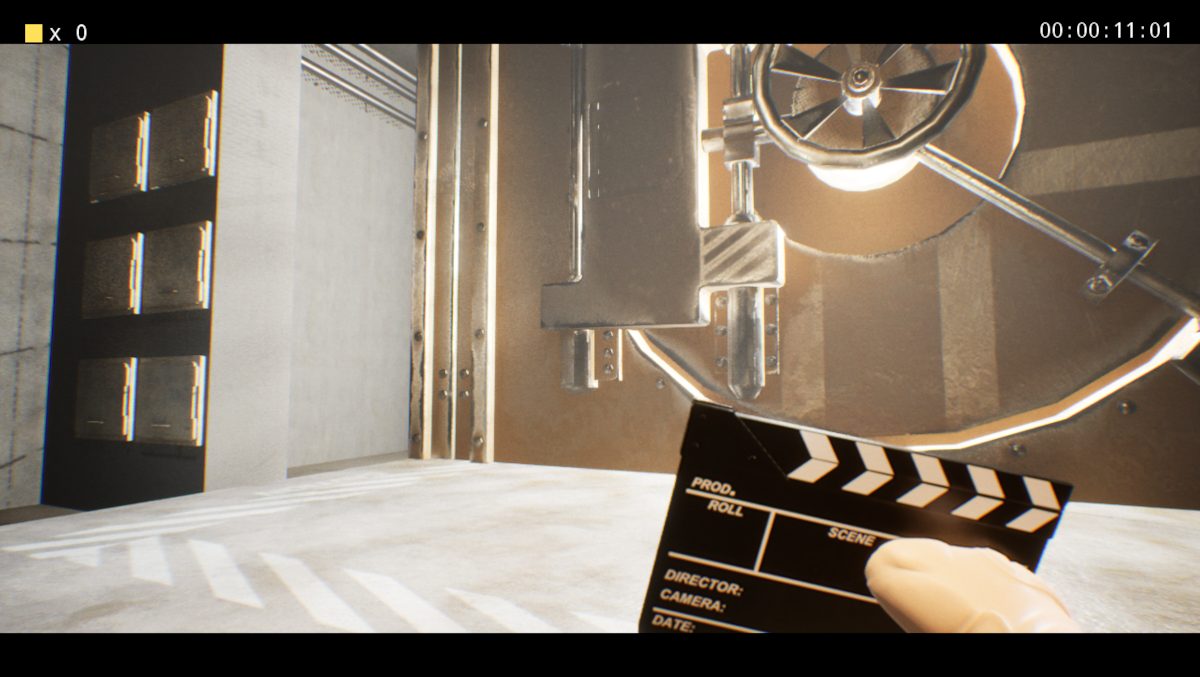
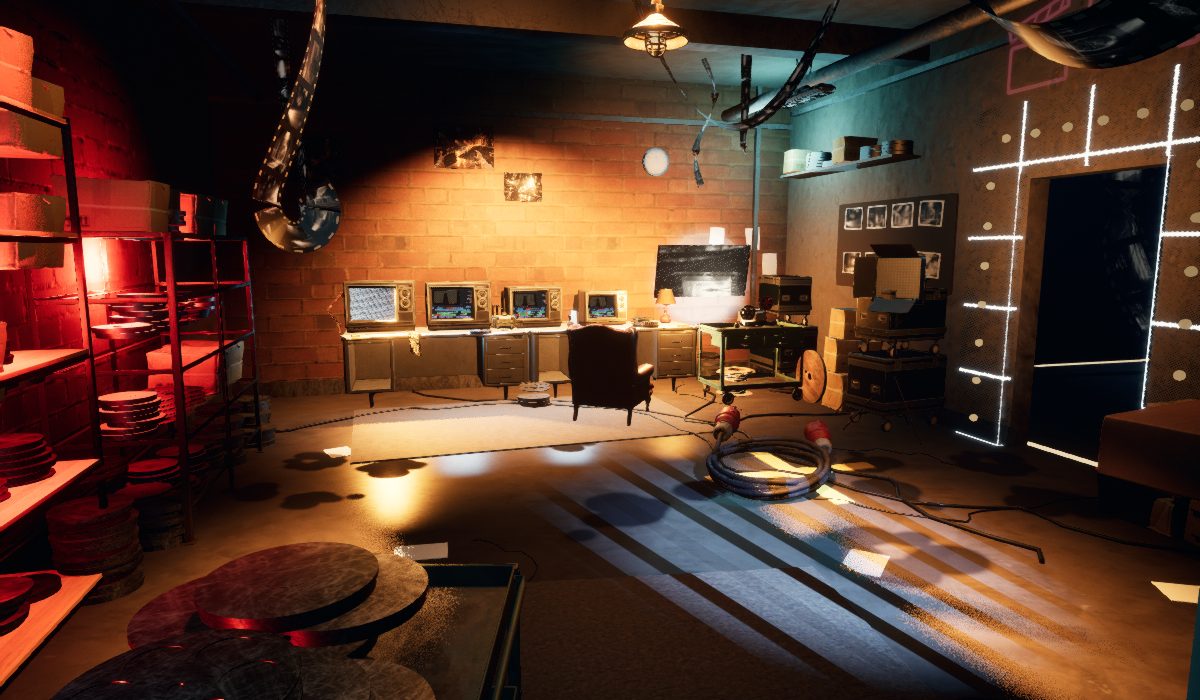
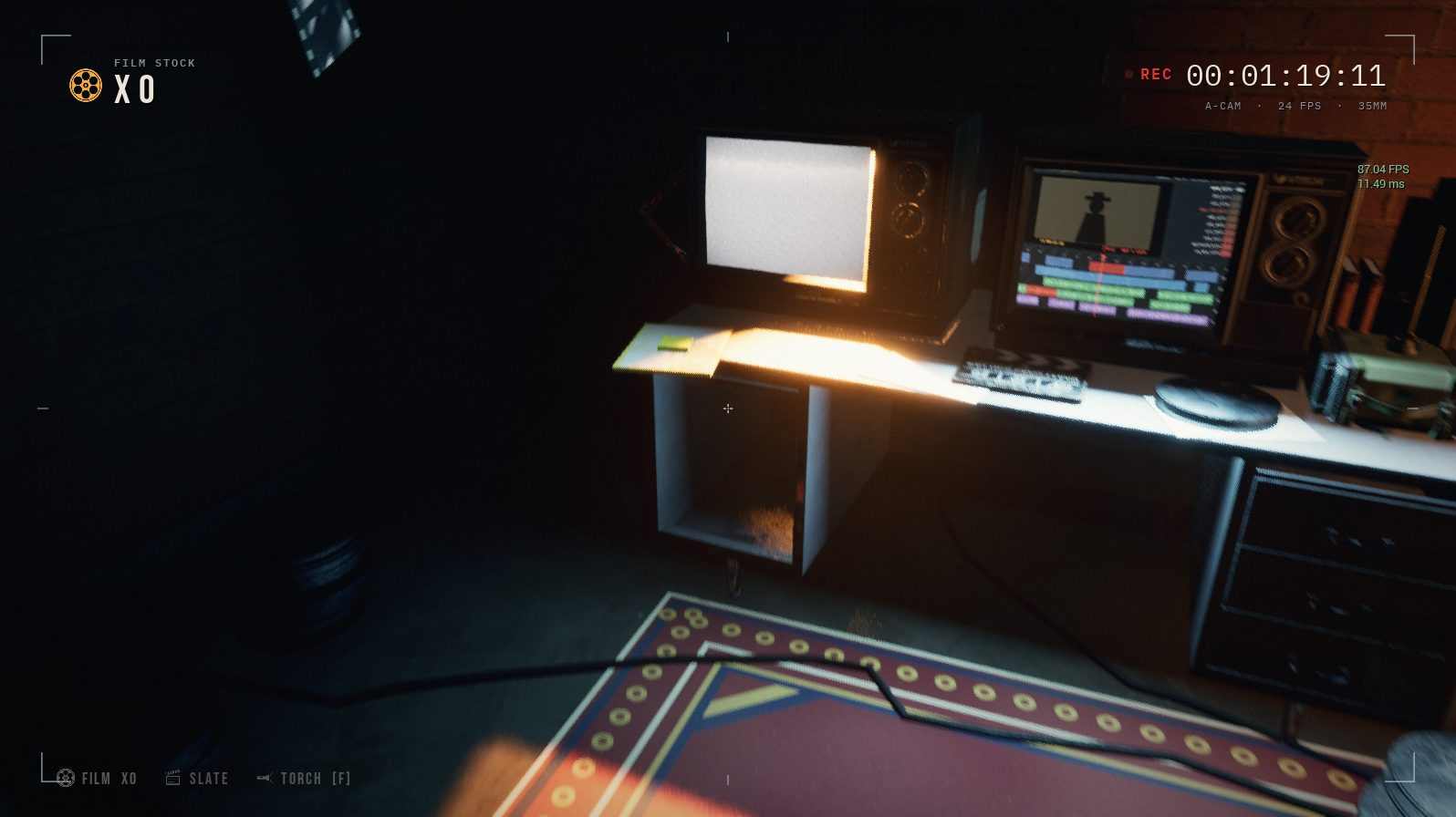
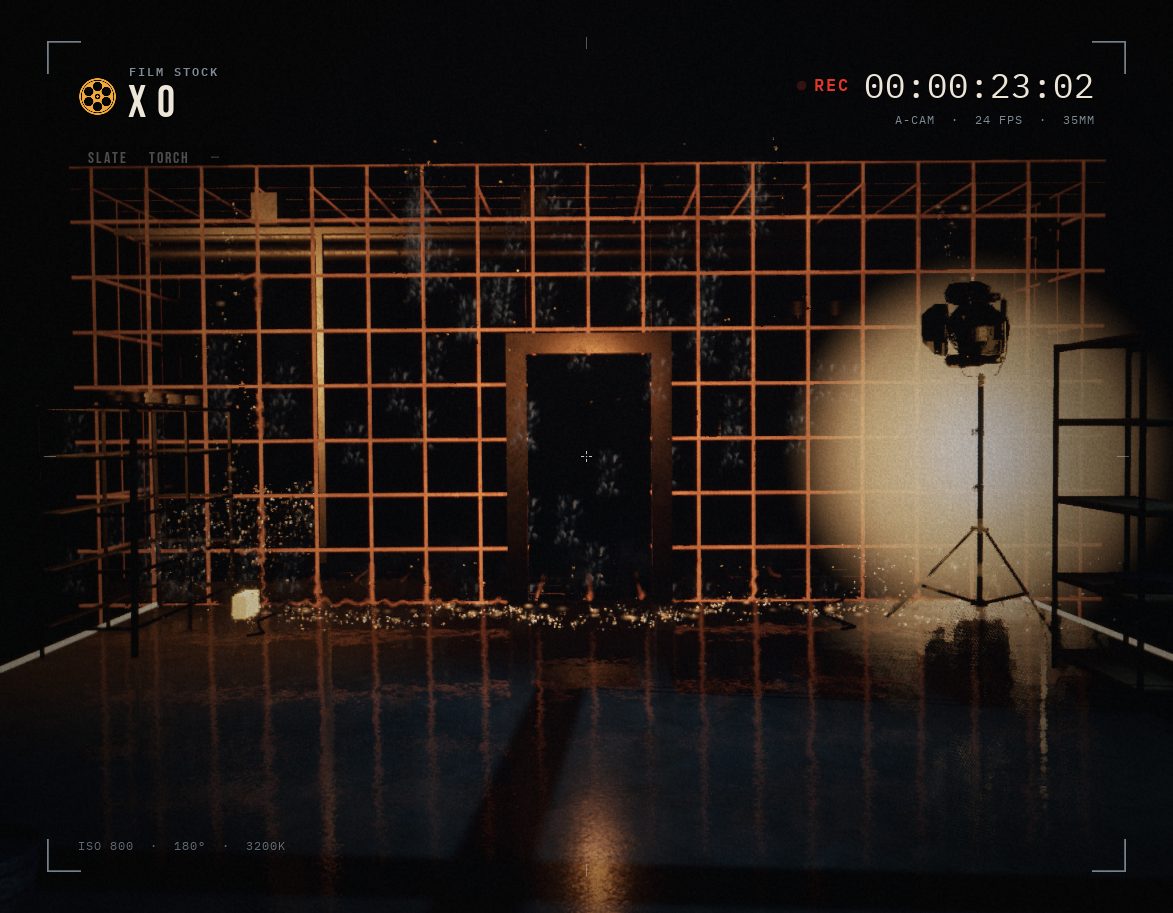
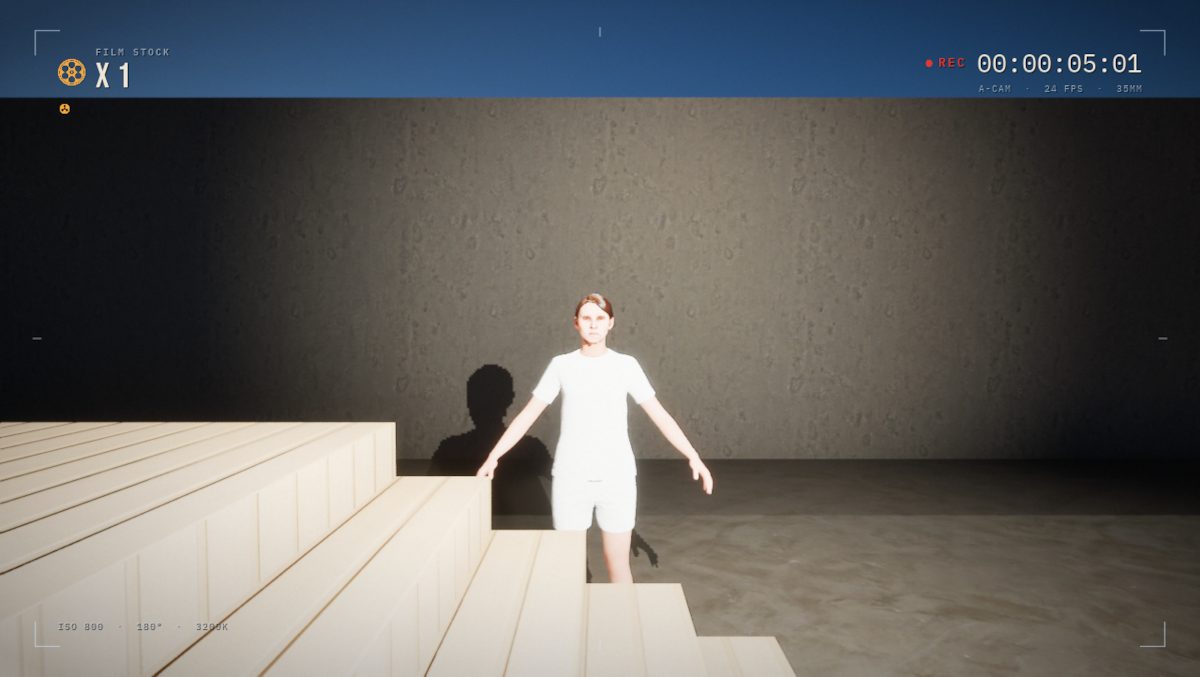
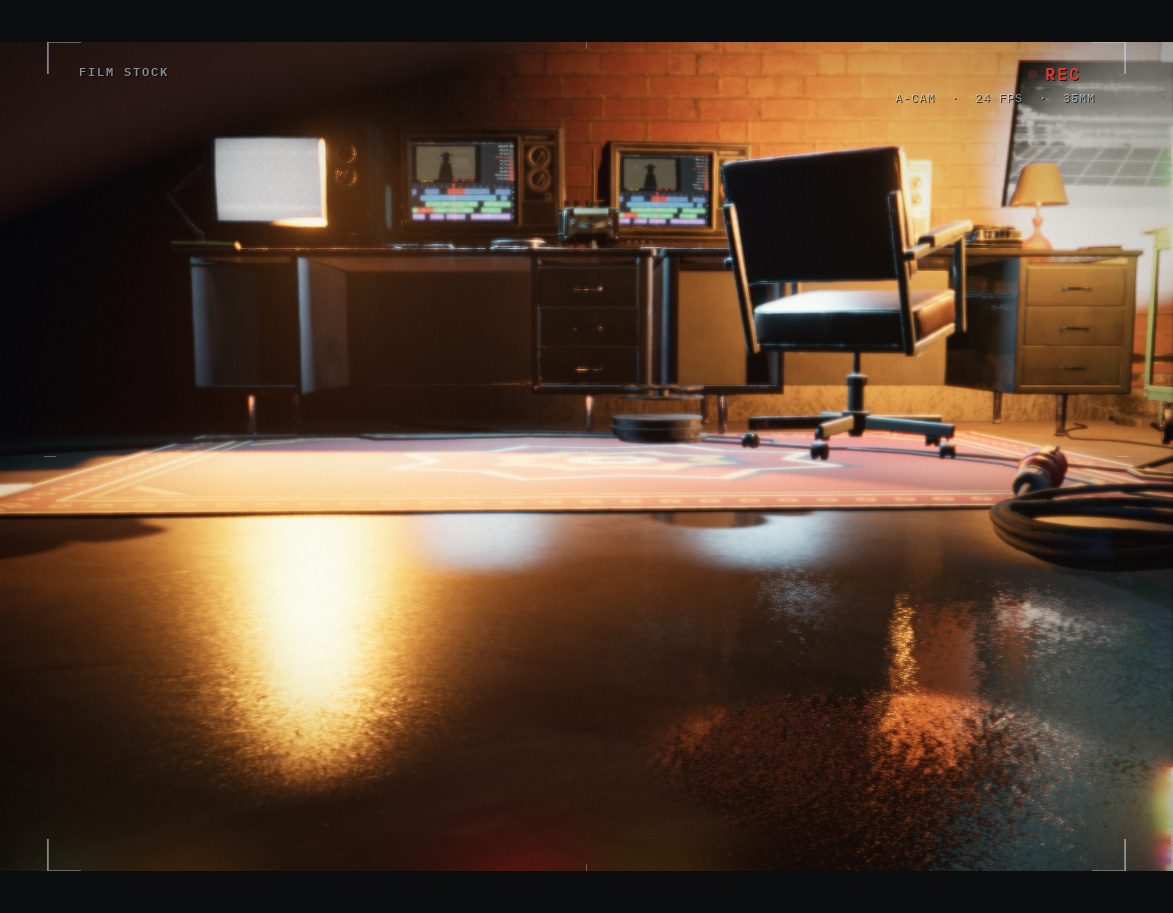
The game follows a film's production pipeline, and each chapter is more “real” than the last: Prologue (the cutting room where Mira wakes) → Chapter 1 · The Cutting Room (areas A–E: cutting room, film archive, projection booth, prop store, Splice balcony) → Previz (grey-box checkerboard) → The Set (fake façades, light stands) → Final Cut (the vault) → and one more place we won't name here.
“Before” is the first blockout from the morning of 14 Nov; “after” is the latest frame we have on disk. The Previz/Set/Final Cut “after” frames were taken before those levels were switched to the MetaHuman character (they still show the earlier hands-only player).
CHAPTER 1 · THE CUTTING ROOM
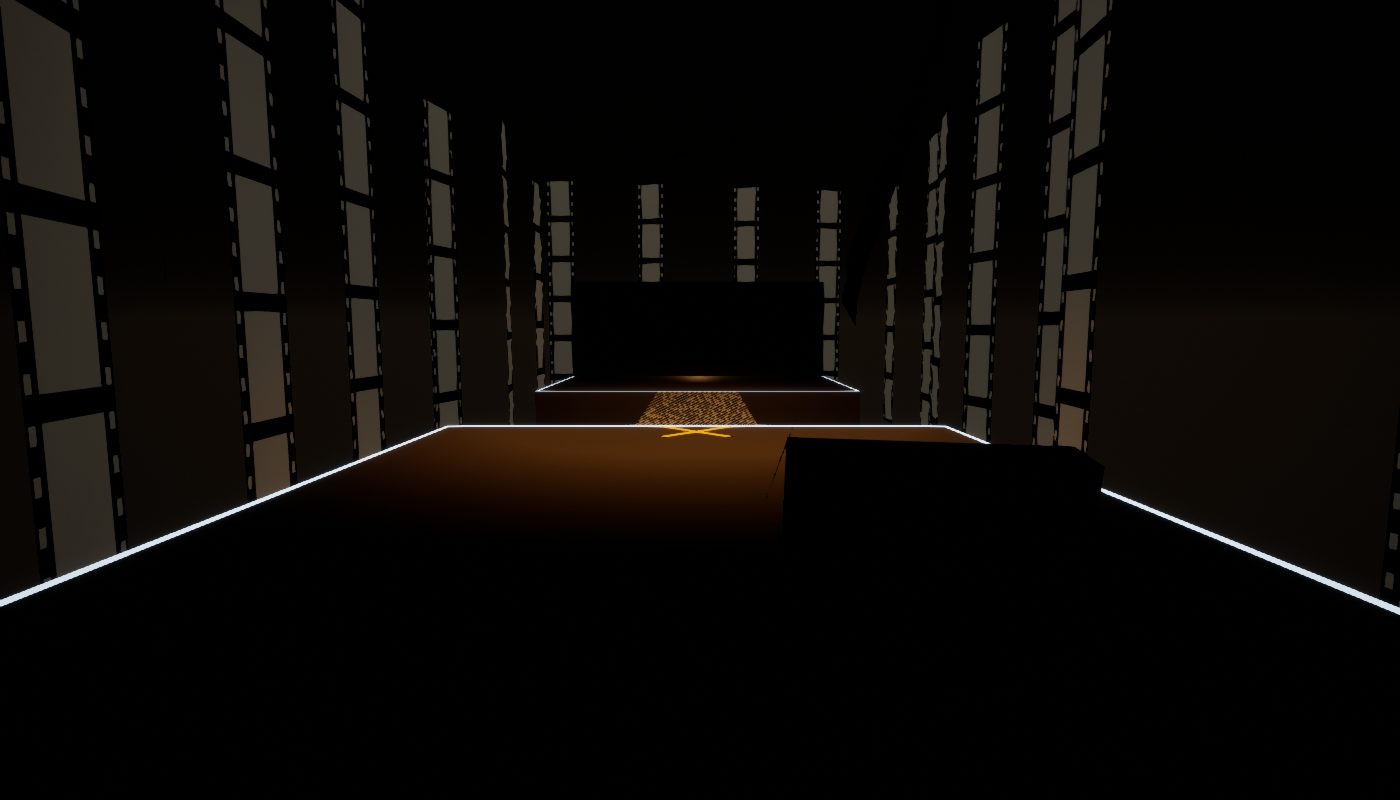
PREVIZ
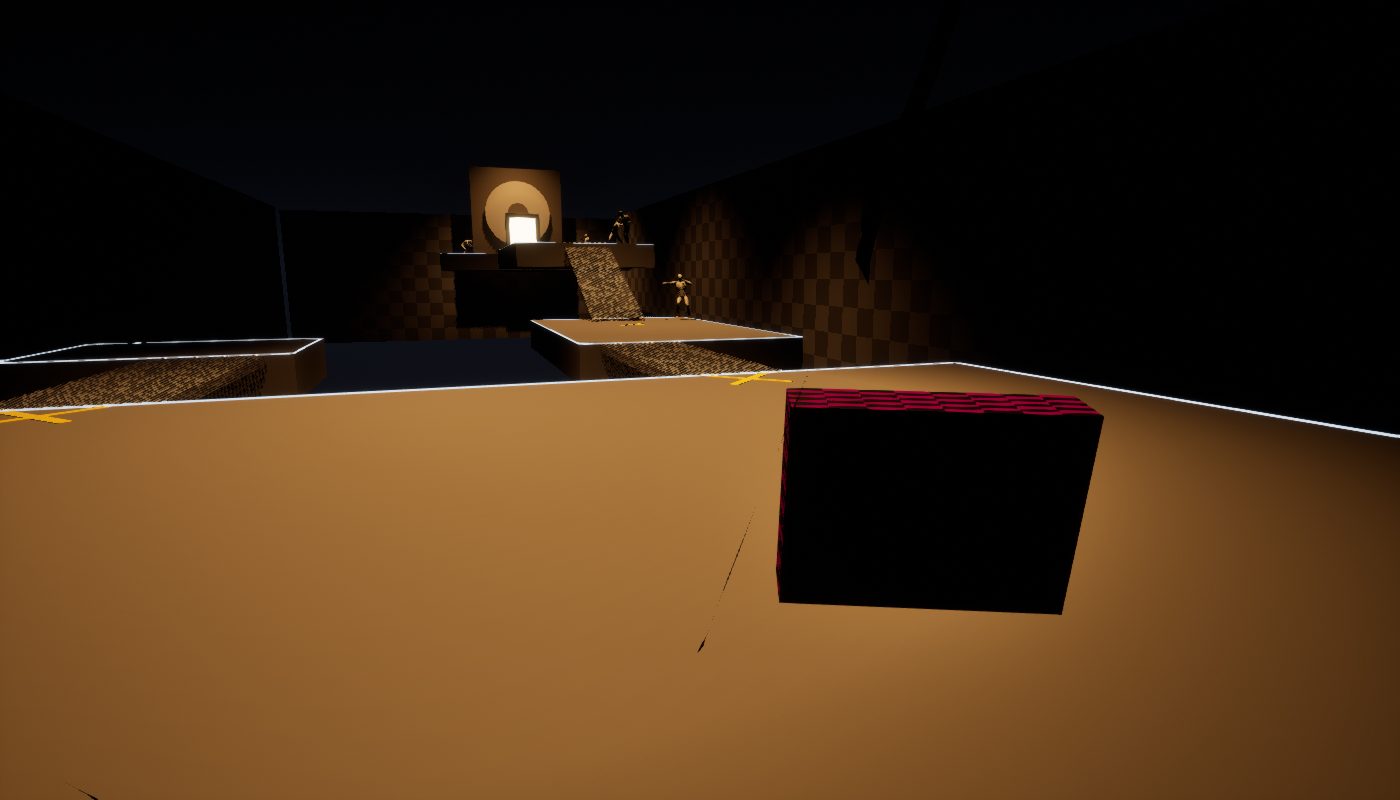
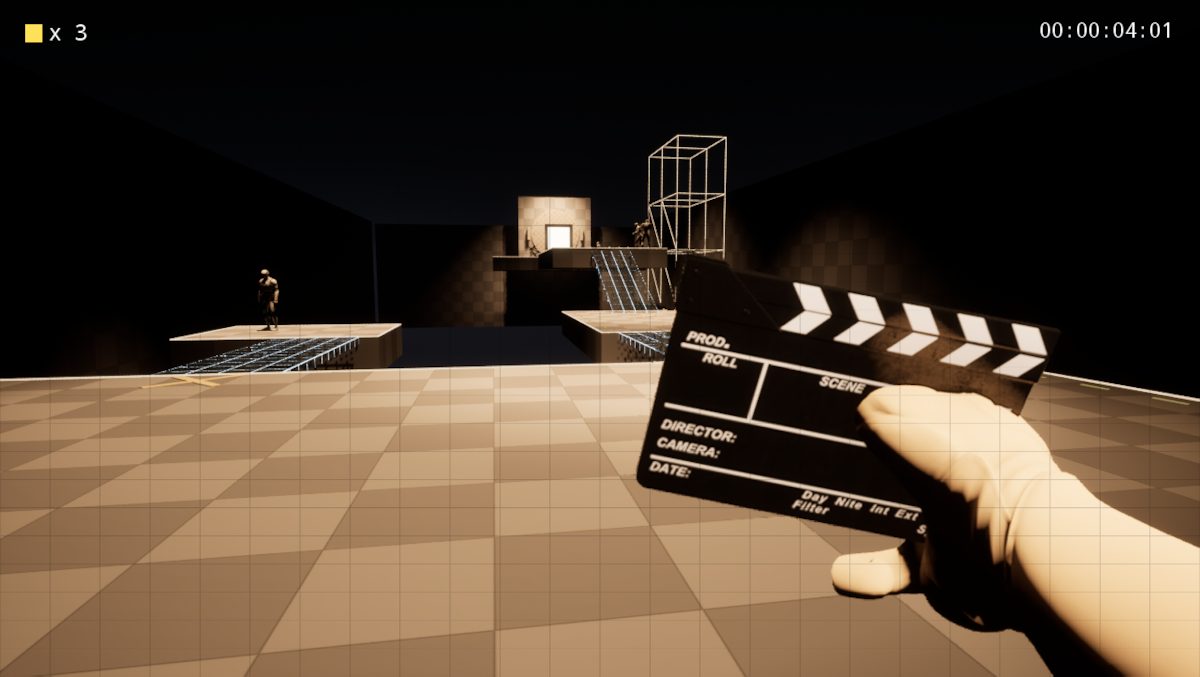
THE SET
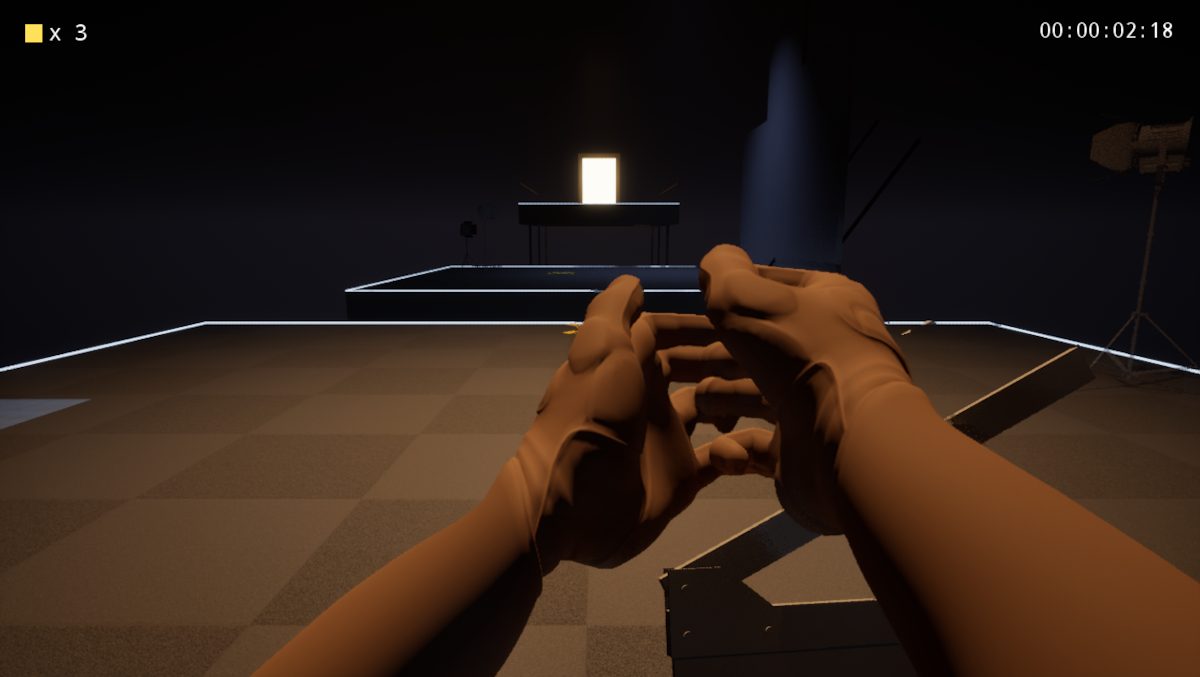
FINAL CUT
Spoiler — the ending (click to open)
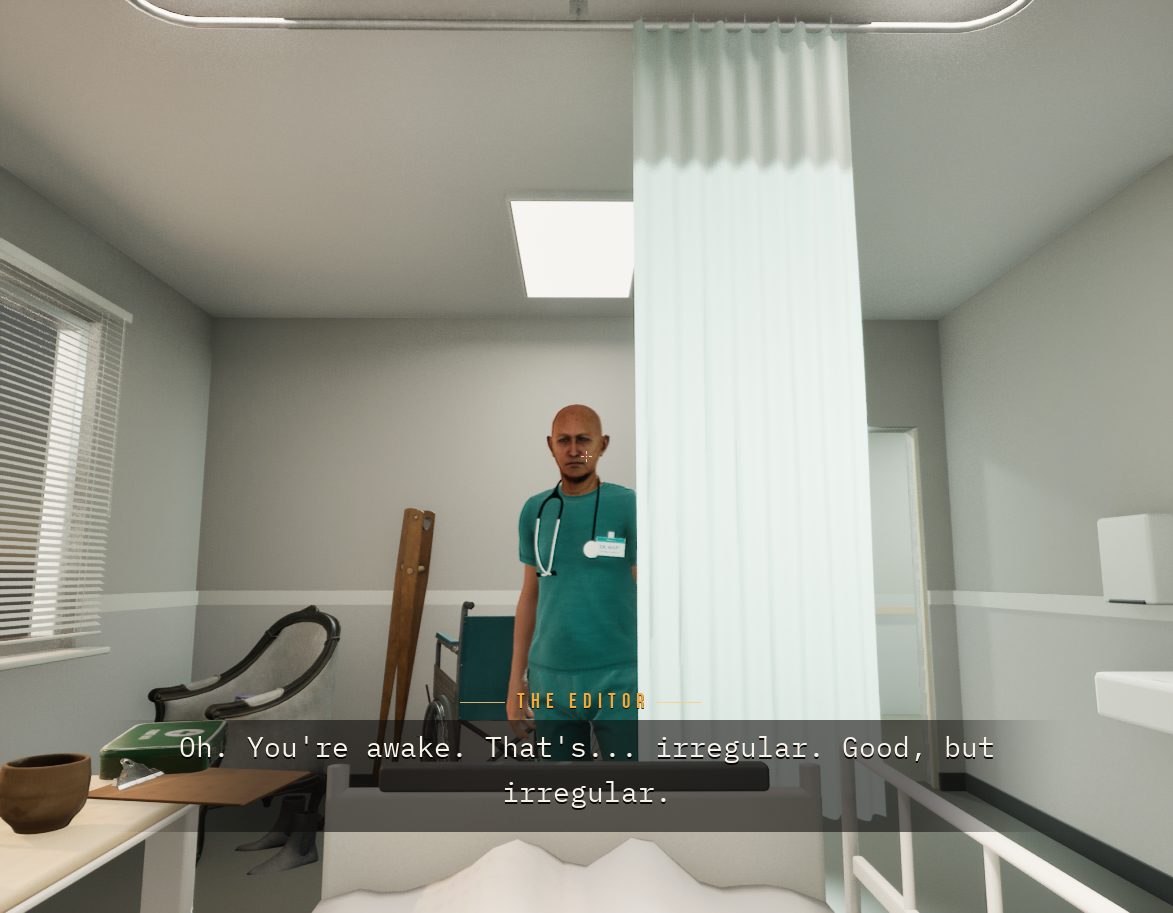
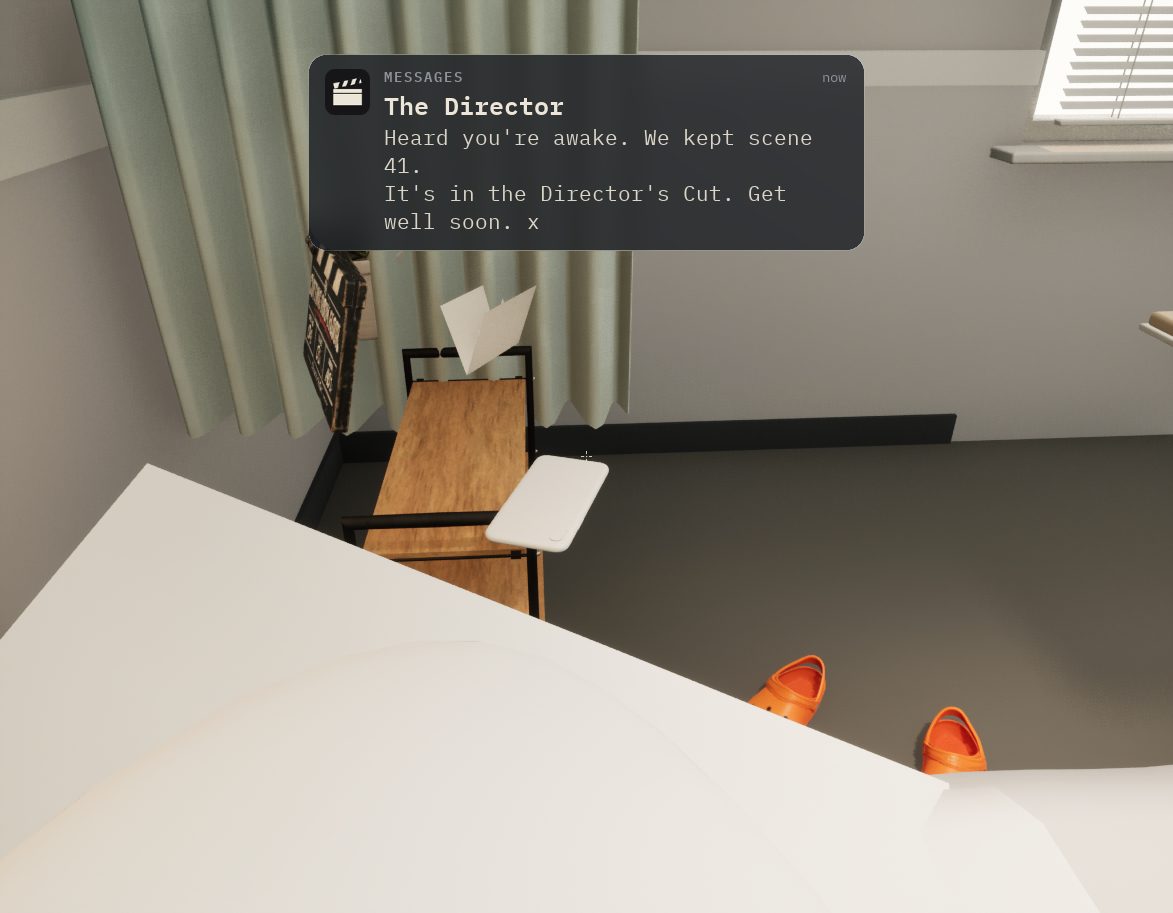
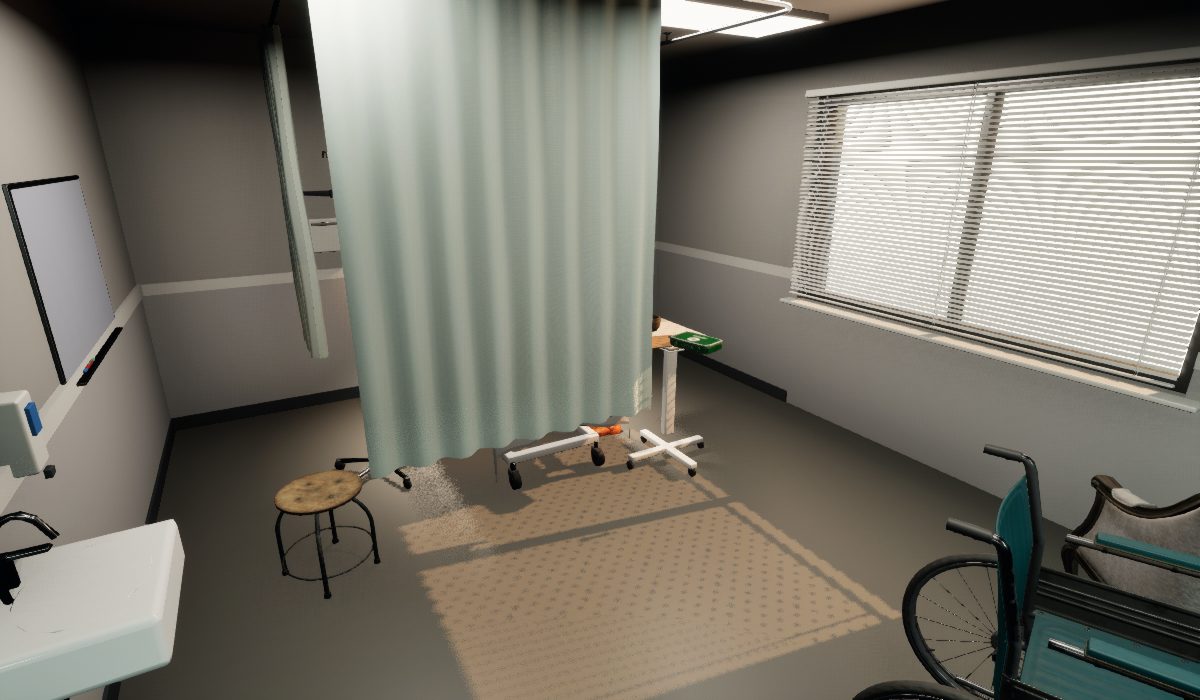
The Final Cut no longer ends in a bedroom (that was our first ending — see Cut scenes). After the vault, a voice says “Follow the light”, the director calls “Aaand… cut!”, and Mira wakes in a hospital room. THE EDITOR's voice belongs to her doctor, Dr. Adler. The orange clogs from the opening are by the bed. The light rig fell during Scene 41; the “heart monitor” beep you heard while the world burned was real. Her phone lights up with a message from the director: “We kept scene 41. It's in the Director's Cut.”
02How it was made
We treated the jam like a film shoot. Agents were the crew, work they delivered was footage, and we were the directors deciding what makes the edit. The project rulebook says it directly: requests are takes, accepted work is the edit, rejected work is the cutting room floor.
The director's chair: one orchestrator
A main Claude Fable 5.2 session in Claude Code held the plan (GDD.md, TASKS.md), split work into briefs, opened a sub-session per task, checked the results (does the asset exist, does it compile, does the bot get through the level) and made the git checkpoints. It did not build in the editor itself.The crew: Opus sessions with Unreal MCP
Each task went to a Claude Opus 5.5 sub-session with names likecrf-hub, crf-fade, crf-light, crf-doctor, crf-l1-build. They drove the live Unreal editor through Unreal MCP toolsets: spawning actors, writing Blueprint graphs, building materials and Niagara systems, running Python, starting PIE and injecting input to play-test with a bot. Blender work went through scripts and Blender MCP.The humans
İzzet and Tuğçe set direction, chose assets, picked voices, supplied references (lighting refs, a Meshy clapper, Mixamo animations, a recorded heart beep), made the calls in the design docs and — critically — played it. Several of the biggest fixes (the softlock, the door handle, the doctor's curtain) came from a human playthrough.The paper trail
Every task ends with aDEVLOG.md entry in a fixed format: request · what was done · problem/fix — honestly · what a human should test in PIE. That log (≈540 lines) is the main source for this page.One editor, many agents: the turn system
Unreal MCP talks to one running editor. Many agents talking to one editor at once is a recipe for crashes, so most of the orchestration was about who may touch the editor, when:
- Single writer. Sessions that touch the editor run one at a time. Work that doesn't (story docs, VO scripts, Blender props, build scripts, this dev log) runs in parallel.
- Level owner + windows. One session owns a level and is the only one allowed to start/stop PIE. Others wait for a “write window is open” message instead of guessing.
- No polling (rule 10). An early “wait until PIE stops” loop called the editor every 20 seconds — and each call interrupted another session's PIE bot test. Banned.
- Compile in the empty room (rule 11-ish). Compiling a Blueprint while
L_Hubwas open silently dropped its placed instances from the level, more than once. From then on, all compiles happen withL_TestRoomopen, and actors are counted before and after. - Never delete what's referenced. Deleting and re-creating a referenced material froze the editor for 25 minutes (reference scan). Edit in place or create under a new name.
- Hand-over notes. Sessions leave notes in a shared folder (e.g. a fade-front fix written as a ready-to-apply DSL patch, waiting for the next compile window).
03Timeline
Times are Turkey time (UTC+3), from DEVLOG.md and git. The project's first commit is 14 Nov 01:32 (template + MCP settings + jam docs); the jam's contest period opened on 12 Nov.
The whole core loop in 45 minutes
Eleven tasks back to back: test room, placeholder materials, the reveal material system (MPC_Reveal + MF_RenderReveal), BPC_Renderable, BP_RenderMark, the character with Action!/Cut, game mode with reel budget and respawn, HUD with timecode and subtitles, a test puzzle, level chain and hand materials. Each was verified by a PIE bot with injected input.
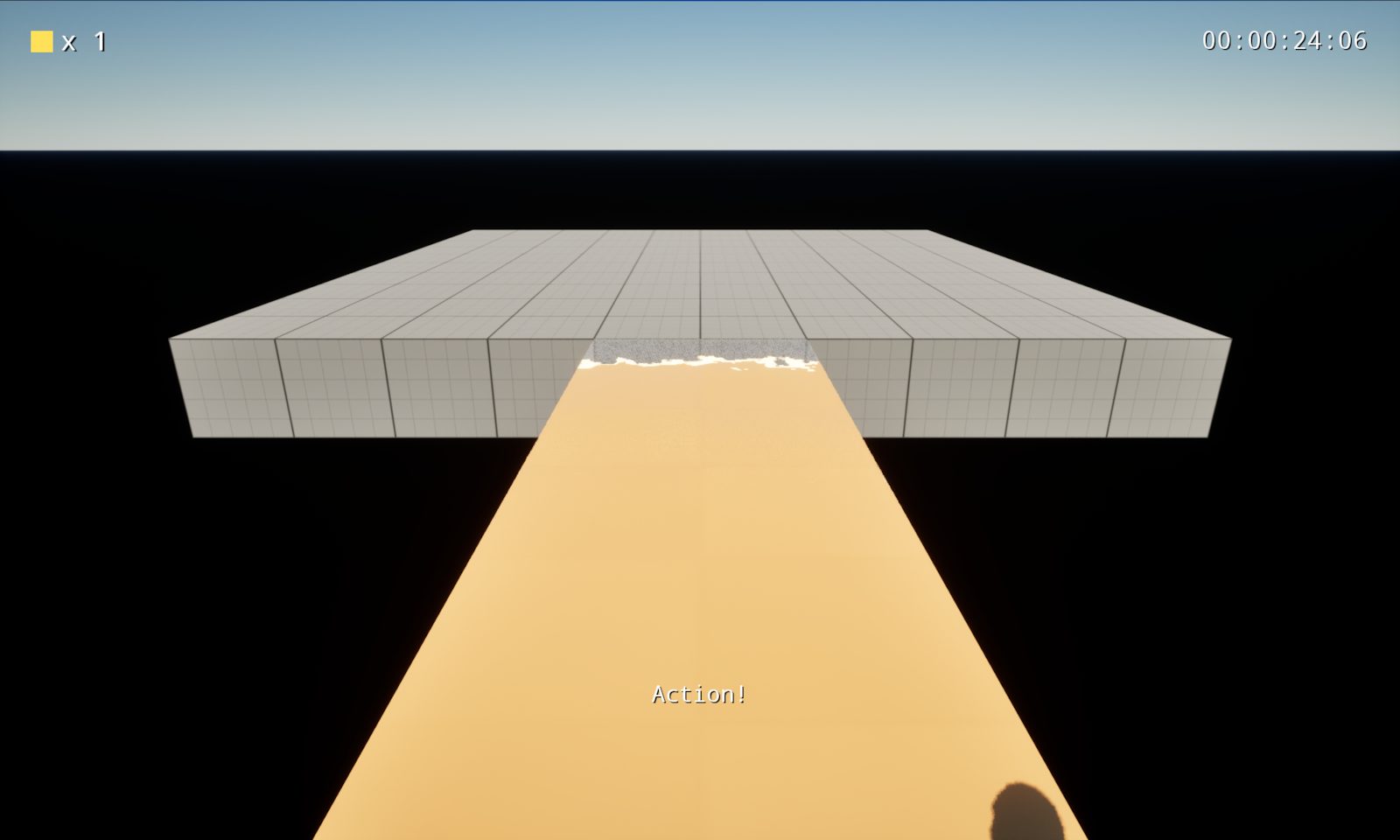
First puzzle solved by a bot
Cut a wall to win a reel, walk to the mark, Action! a bridge, cross. The bot walked it; a planned-for risk (cutting a plank under yourself) was logged as a design question.
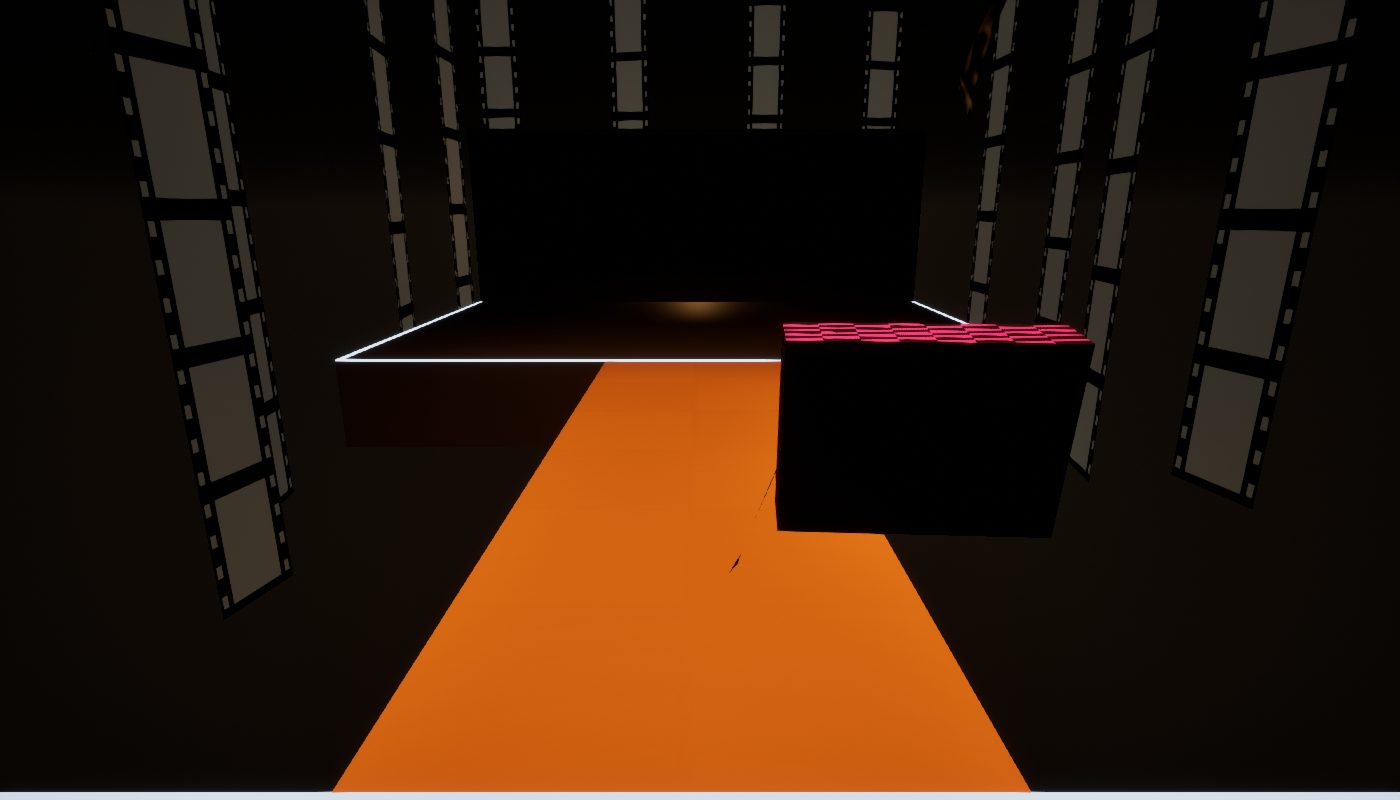
Five levels blocked out, voices recorded
Hub, Previz, Set, Final Cut and a bedroom ending blocked out; first Fab/Poly Haven sweep (16 free Fab listings, 7 Poly Haven models); 12 lines voiced in ElevenLabs; main menu and credits.
Menu to credits, no hands
One continuous PIE session, bot-driven, menu → Hub → Previz → Set → Final Cut → Bedroom → menu in 121 s with 0 Blueprint errors. (A bot takes shortcuts; a person takes much longer.)
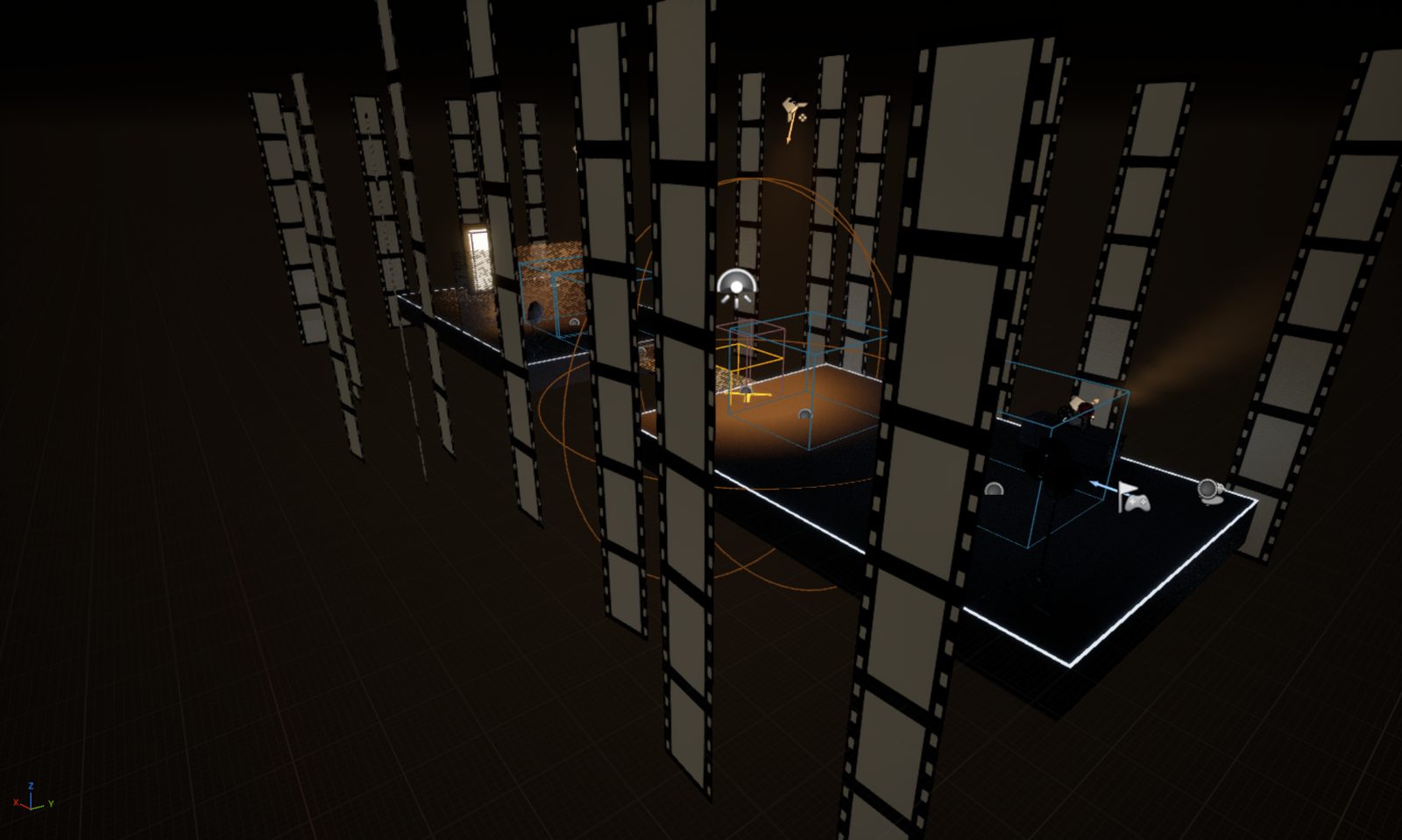
“A blockout is not done”
New rule, then real level design: 49 more free Megascans/Fab listings installed (~790 MB), the Final Cut vault room rebuilt from 119 and then 217 Renderables, Set and Bedroom given deep design passes, wireframe placeholder look added to every level.
Chapter 1 polish
Niagara reveal burst, cut-dissolve, Splice transition, the viewfinder UI (Bebas Neue + IBM Plex Mono, 18 generated UI textures), sound balance. Compared side by side with the concept.
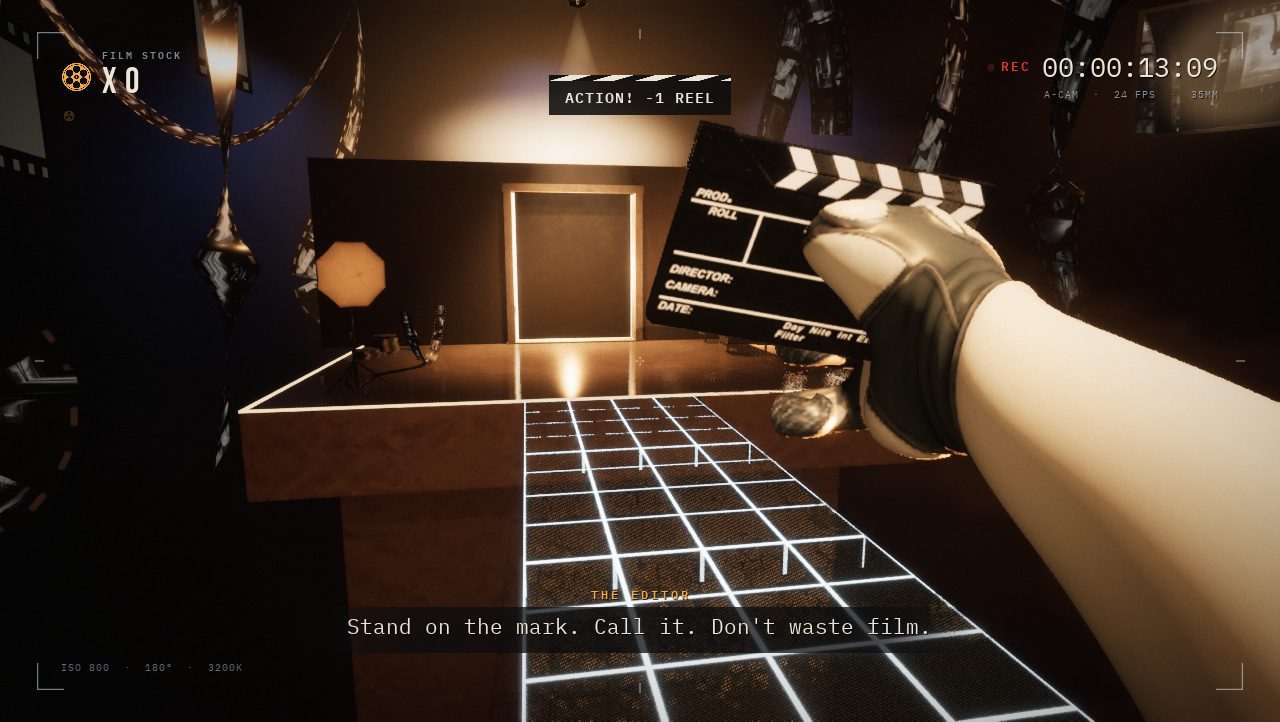
A clapper with bones
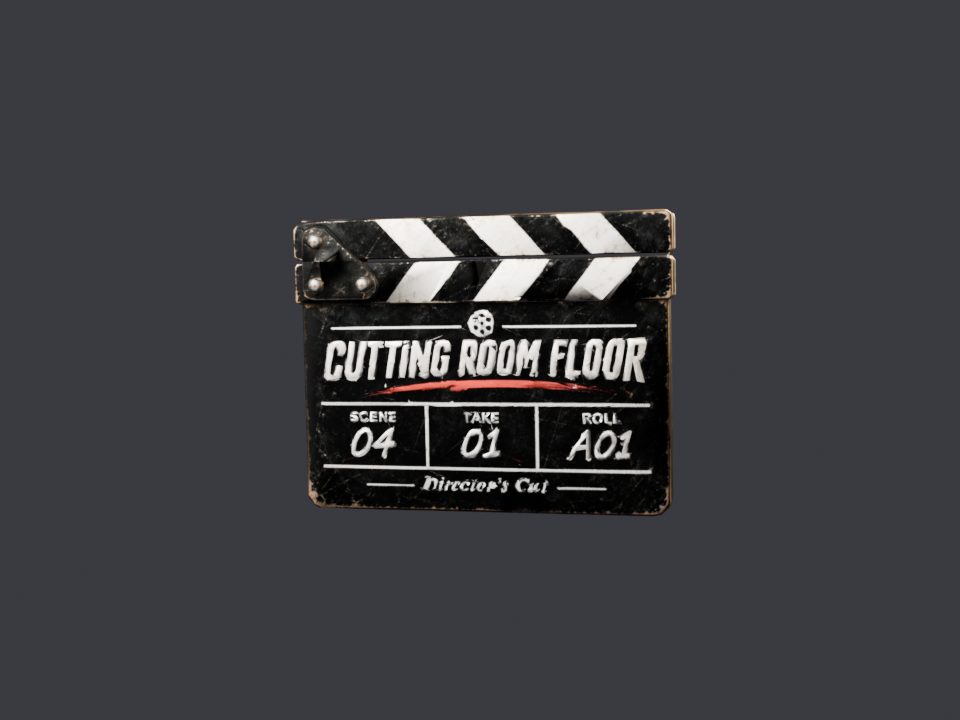
The clapper was rigged and animated in Blender (Idle, Raise, Action, Cut, Lower — with a ClapHit notify on frame 5), later re-rigged on İzzet's Meshy-generated model.
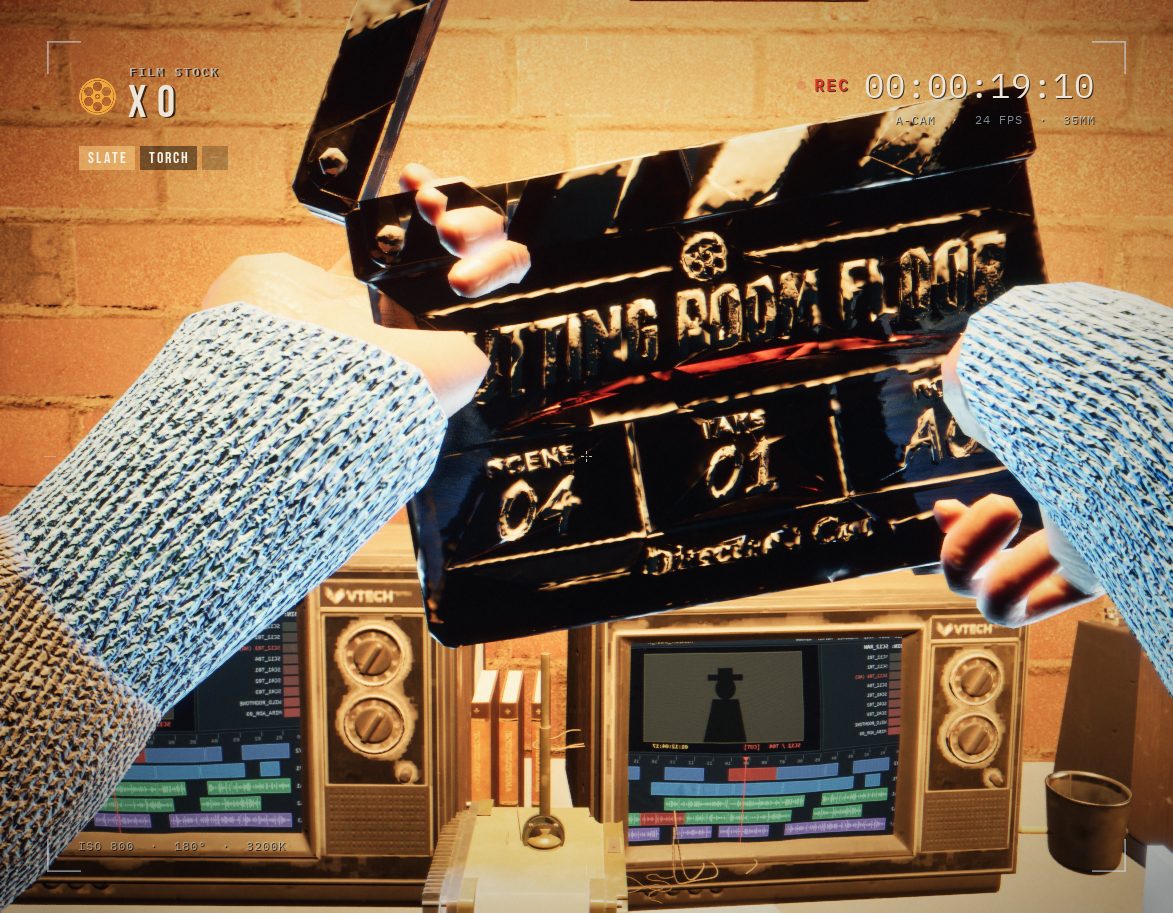
The story changes
İzzet rewrote the ending: not a bedroom but a hospital; THE EDITOR is the doctor; the game opens with the clogs. The story doc, VO table and GDD were rewritten without touching the editor. Meanwhile the MetaHuman Mira and a mechanics lab (L_MechLab) came online.
Motion matching, a doctor, a world that burns
Game Animation Sample motion matching and vault/mantle traversal on Mira; Dr. Adler built in MetaHuman; the fade front (BP_FadeFront) and the film-burn Niagara pack. An editor crash during another session's MetaHuman build cost 147 unsaved animations — regenerated, with every save verified on disk.
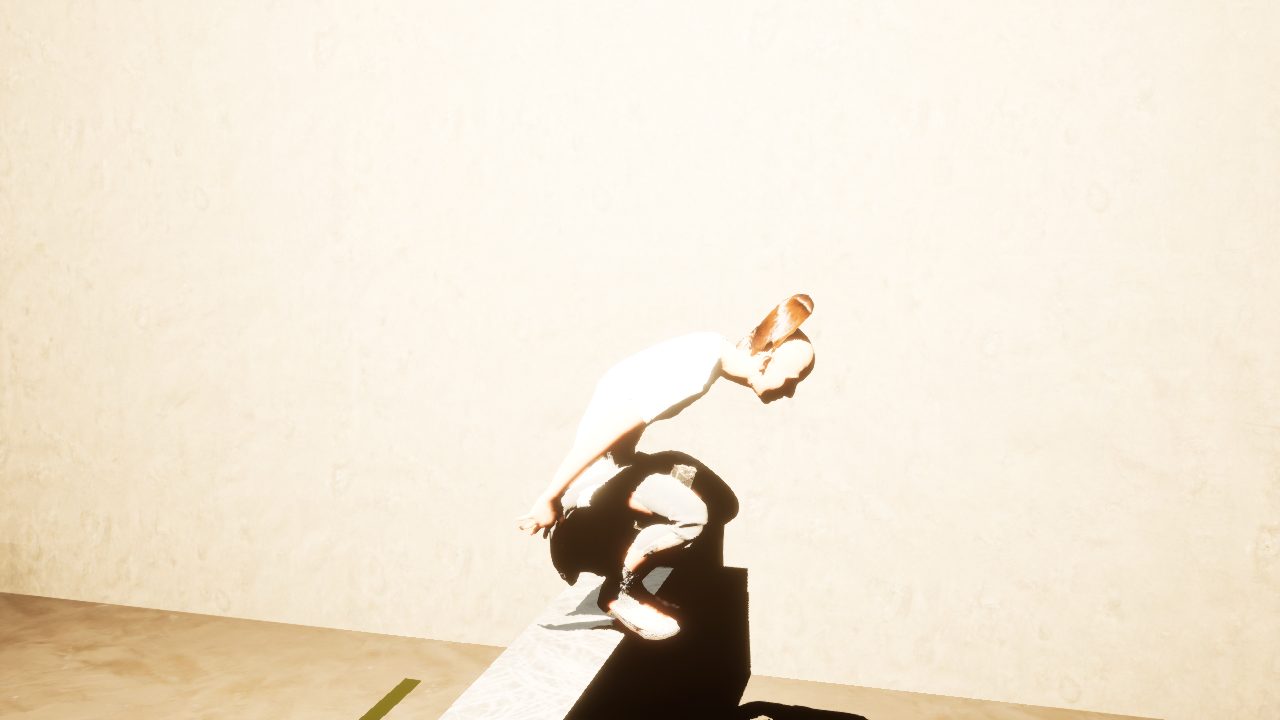
“Take two.”
The erasing world gets sounds (ElevenLabs SFX, İzzet's heart beep), a catch that freezes instead of dropping you into the void, and a dormant mode for the prologue.
Light and a LUT
Six lighting references from İzzet → warm/cool, volumetric beams, gobos and a generated teal-amber LUT at 50%.
Prologue room, then Chapter 1 end to end
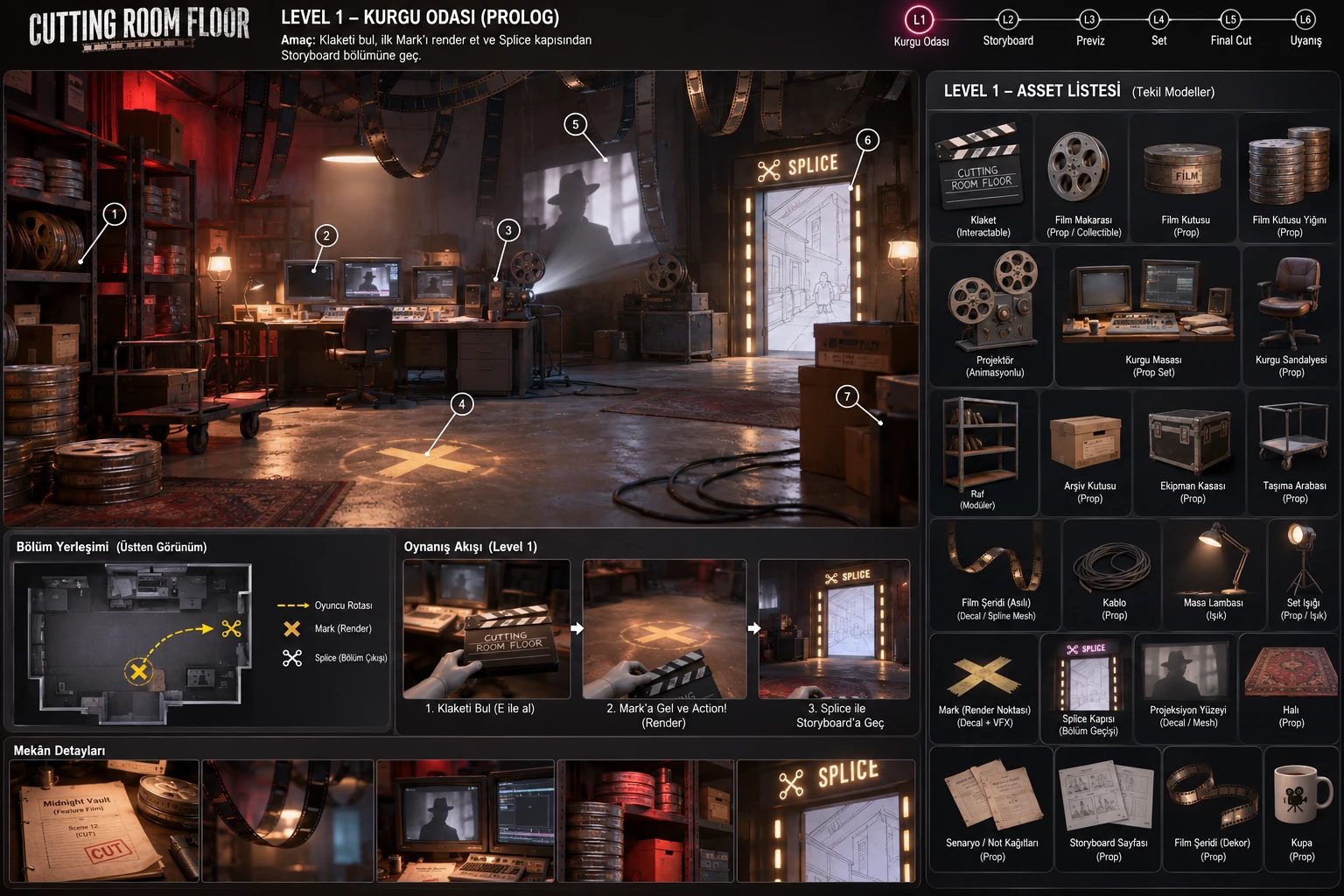
The wake-up room (~500 actors), then Chapter 1 rebuilt as five areas A–E with the fade front and seven marks. At 09:41: one uninterrupted bot run from the opening through A–E into Previz.
The final level, and everyone becomes Mira
The hospital finale was built from scripts prepared while the editor was busy; Previz, Set and Final Cut switched to the MetaHuman player.
Spoiler image
First packaged build — on the 9th try
Banned compiler version, a missing editor target, 47 cook errors, and two builds that crashed on launch because restricting editor plugins also removed runtime ones. At 14:21: BUILD SUCCESSFUL, no crash; menu, Chapter 1 and the hospital each ran 90 s with 0 fatal errors.
Playtest fixes
İzzet played: area A could softlock (fixed with cut refund, instant dissolve and a spare reel); the door handle went up before down; the doctor stood behind a curtain. Then: story intro wired in, wake-up v3 with a blink effect, inventory strip, doctor facial animation, burn fps fix.
04What went wrong
The agents' log entries have a mandatory “problem/fix — honestly” line. Here are the ones that cost the most.
| What happened | Cost | Fix / rule |
|---|---|---|
| Editor crash. The editor crashed while another session was building a MetaHuman. | 147 unsaved animations and AnimBP changes lost. | Regenerated; every save now verified on disk; MetaHuman edits only with PIE closed. |
| The 25-minute freeze. An agent deleted a referenced asset to re-create it. | Editor locked for 25 minutes by the reference scan. | Rule: never delete a referenced asset; edit in place or rename. |
Vanishing actors. Compiling a Blueprint while L_Hub was open dropped its instances (a Render Mark, then four lockers, then the hospital director). | Silent breakage found only by end-to-end checks. | Compile only in L_TestRoom; count actors before/after. |
| Polling killed play-tests. A background loop pinging MCP every 20 s interrupted another session's PIE bot. | Failed bot runs. | Rule 10: no polling; wait for the level owner's message. |
| Softlock in area A. In İzzet's playthrough you could spend your only reel and be stuck. | Unwinnable state in the first puzzle. | Cutting a take refunds the reel (“The film winds back. +1 REEL”), dissolve is instant, a spare reel appears. |
Packaging. MSVC 14.51 banned by the engine; UAT looking for an editor target; 47 cook errors (missing GASP foley/structs, doctor AnimBP without skeleton); restricting editor plugins also removed LiveLink, cloth and MovieSceneAnimMixer at runtime. | 9 attempts between 10:45 and 14:21. | Plugin allow-lists reverted where needed, mixer enabled explicitly, missing GASP files migrated (150 files, 7.2 MB). |
| Fps collapse while the world burns. On the rebuilt Chapter 1 (1,491 erasable objects) the burn dropped PIE to ~9 fps. | Unplayable moment. | Diagnosed by toggling systems: the per-frame victim loop, not particles. Fix 10 → avg 43 fps during the burn (49 without). |
| A spline that kept resetting to 100 cm. Every BP compile reset the fade front's path. | Repeated “frozen” tests. | Root cause: points added via Python left bSplineHasBeenEdited false. |
| Usage limits & rate limits. One session hit its usage limit before its visual PIE test; Fab returned “Too many requests”; the ElevenLabs free tier allows one generation at a time and its connector returned “busy”. | Unverified work, retries. | Logged as “not done”; retried later or switched to the web UI. |
| Agents being wrong. One pass claimed the Hub floor was Megascans concrete — the material didn't compile and was falling back to a grid. Lights added in another pass were ~30× too bright. | A wrong report in the log. | Caught and corrected in the next entry, in writing; all CRF materials scanned for compile errors. |
| Sounds nobody heard. Many VO and SFX were checked by duration and RMS, not by ear. | Possible bad takes. | Flagged in every entry for a human to listen. |
05Tech notes
Reveal & burn materials
M_Renderable_Master carries both looks. A material function blends placeholder (world-space wire grid, dark blue fill, dithered opacity) and final (Megascans textures, ORM) by a per-object RenderState and a global sphere in MPC_Reveal, with a noisy amber edge band. Cut runs the dissolve in reverse. A Niagara burst (NS_RevealBurst) throws amber cubes from the wave's shell.
The film-burn pack (NS_BurnEdge, NS_BurnFront, NS_BurnOut, NS_RenderIn + MF_FilmBurnEdge) shares one burn field between particles and material so they line up.
The fade front & the fps fix
BP_FadeFront is a spline “front” that advances between gates (BP_FadeGate), erasing surfaces, props and lights it passes, and rewinding all of them when it catches Mira. First version in the prologue room: 22–25 fps while the room burned → 36 fps after budgeting FX per frame and skipping far/invisible victims. On the rebuilt Chapter 1 it regressed to ~9 fps; the fix (exact per-type thresholds instead of a wide waiting window) brought it to avg 43.0 / p10 36.3 fps during the burn in PIE (base 49.3). Outside the editor, -game at 1280×720 measured a median 6.1 ms frame (~164 fps) before the later content passes.
Full-body first person
Mira is a MetaHuman (from the free “Skotukeda3” preset, rebuilt with Fab MetaHuman jeans, Chelsea boots, clogs and sweater). The camera follows a smoothed head bone; look down and you see your body and shadow. Locomotion is motion matching from the Game Animation Sample (only the needed sparse walk/run/idle databases and vault/mantle montages, ~150 MB), retargeted to Manny, with IK layers for the two-handed clapper and door handles. Getting up and floor pick-ups use Mixamo animations retargeted to Manny.
Blink
BPC_Blink draws eyelids over the camera for the wake-ups (prologue and hospital) — the screen opens the way eyes do.
Light & LUT

Tools/gen_lut_tealamber.py), used at 0.5. Chapter 1 has 22 shadow-casting lights; window gobos, flickers and blinds are light functions.Subtitles & VO pipeline
All speech lives in one data table (DT_Subtitles: id, speaker, text, duration, voice). Rule 9: every line that is heard is subtitled, including Mira's “Ahh…”. A line shows for max(table duration, audio + 0.3 s) and a new line cuts the old one. VO was generated in ElevenLabs (web UI, free plan, Eleven v4), imported as MP3 directly, and bound by reference so it survives packaging. Only the director's “Aaand… cut!” gets a reverb send.
Packaging
Windows, UE 5.9. First full Development build ≈10 minutes (8 min cook); with a warm DDC about 1 min 20 s. The Trial1 folder is 3.37 GB (zip 2.81 GB) — the biggest single item is a MetaHuman Animator tracker (530 MB) pulled in by plugin code, not by any asset. In the Development exe at 1600×900 with the editor still open, stat fps showed ~103–134 fps in the menu, ~87 in Chapter 1, ~71 in the hospital. The final-build recipe uses Shipping with no debug info.
06Cut scenes
It's a game about cut scenes, so here are ours.
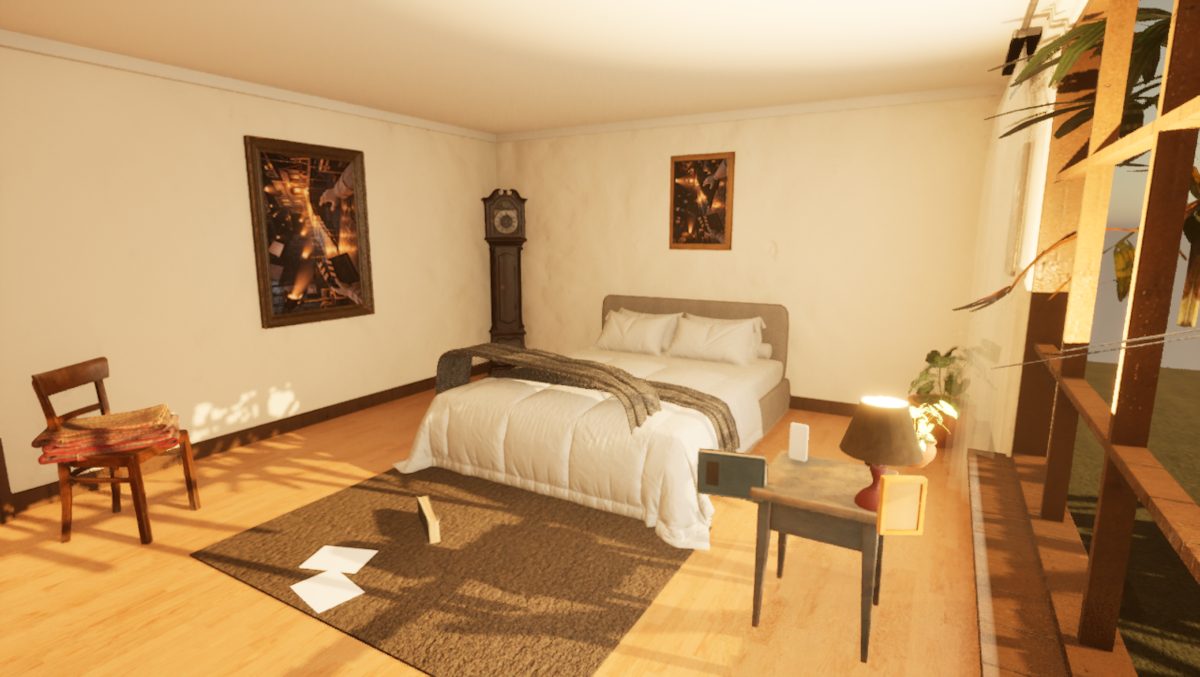
- The bedroom ending. The first ending was waking up in a sunny bedroom (three design passes, a whole arch-viz room). Replaced by the hospital when the story changed on night one.
- Hands that evolve. The original design swapped the player's hand material per chapter (mannequin → sketch → flat → real). Replaced by a real Mira from the start; only the world becomes real.
- Text-to-animation (Kimodo). Considered for custom animations; needed gated model access and wasn't attempted. Mixamo and GASP covered it.
- DLSS. Ported to 5.9 in a separate copy of the project and a test package was started; never merged into the game.
- A European Hornbeam tree. The only free version was a full UE package; the download passed 7.2 GB and was cancelled.
- A doctor's coat. The source model's licence was unclear and it wouldn't fit the body; dropped.
- AI video cinematics. A full-screen video player with slots exists, but no videos were made; the game falls back to in-engine scenes.
07Asset & AI tool declaration
Everything we did not make ourselves (or have an agent make from scratch) is listed here. We built the list from the project's asset log and then checked it against the six shipped levels: a dependency scan of L_MainMenu, L_Hub, L_Previz, L_Set, L_FinalCut and L_Hospital followed every package they reference (2,199 files). Only assets the scan found, or that the docs say are in use, are listed as used. Nothing was purchased.
used found by the dependency scan · doc in use per project docs (inside our own folders, so the scan can't attribute it) · check licence or owner needs confirmation (see Accuracy notes)
AI tools
| Tool | What it did | Output in the game |
|---|---|---|
| Claude Fable 5.2 (Anthropic) in Claude Code | Orchestration: planning, task briefs, review/verification, git checkpoints, design docs. | Indirect (docs, decisions). |
| Claude Opus 5.5 (Anthropic) in Claude Code | All editor production through Unreal MCP: Blueprints, materials, Niagara, levels, lighting, UI, Python import/build scripts, Blender scripts, story/VO scripts, this dev log. | Essentially all game code, levels, materials, VFX and UI. |
| Unreal MCP (UE 5.9 editor toolsets) | The bridge between agents and the live editor (incl. the Fab toolset for installing free listings). | — |
| Blender 5.2 via scripts / Blender MCP | Clapper rig + 5 animations, door split/pivots, 17 hospital props, name badge, Poly Haven clean-ups. | Clapper animations, hospital props, processed door. |
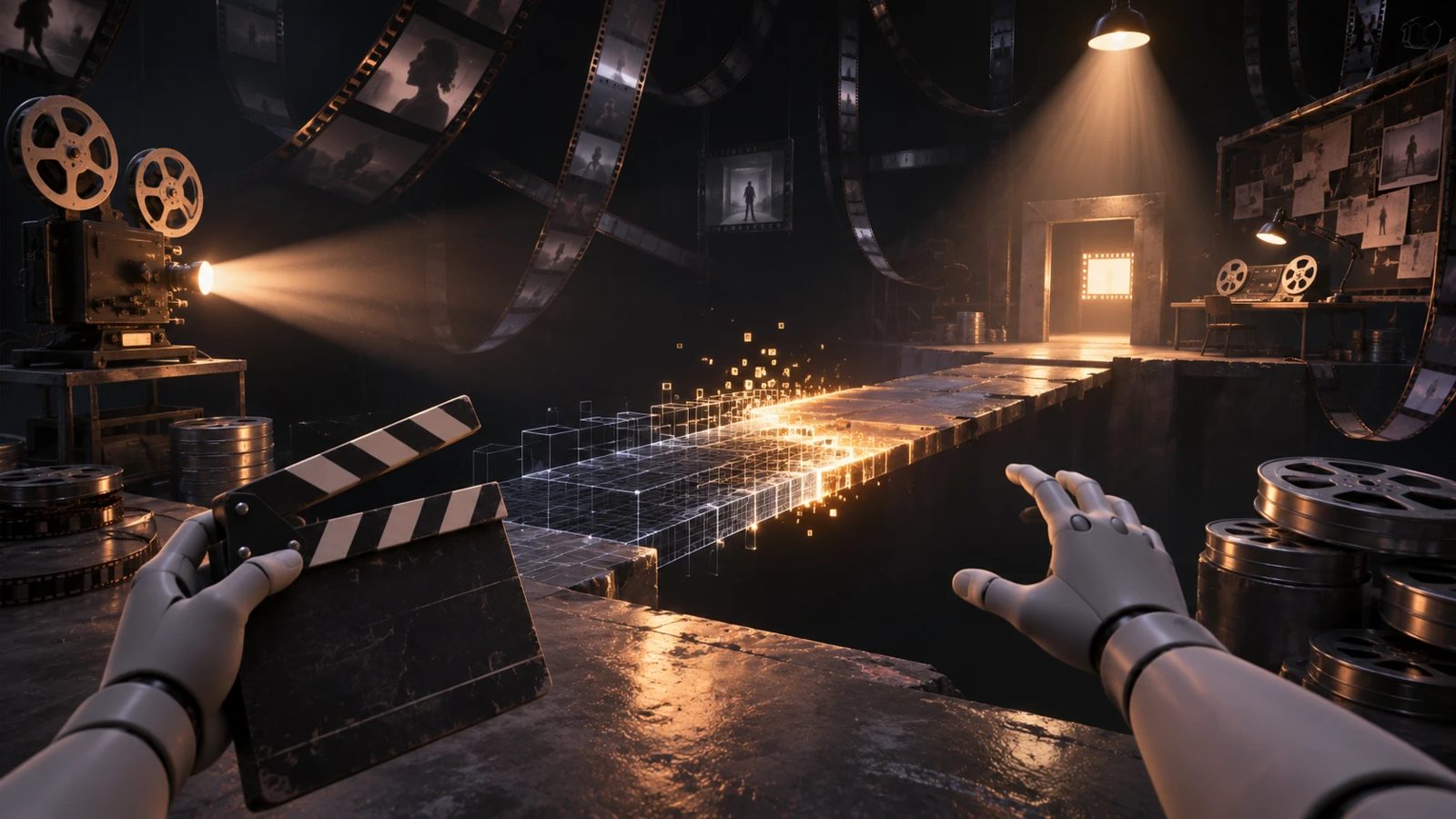
| ChatGPT (OpenAI) image generation | Concept art per chapter from the GDD. | Reference only — not shipped. (Five concept images were briefly hung as framed pictures in the cut bedroom level.) |
| ElevenLabs — Text to Speech (Eleven v4) | All voice-over: 78 lines. Voices: George (THE EDITOR / Dr. Adler), Lily (Mira), Adam (the director), Alice (PA announcement) — premade library voices, no cloning. | All VO. In-game credit: “Voice over generated with ElevenLabs (elevenlabs.io)”. |
| ElevenLabs — Sound Effects v2 | 11 SFX: monitor beep, flatline, front crackle, catch burn; projector loop/stop, TV static, fluorescent hum, chain, reel, room tone. | Fade-front and Chapter 1 sounds. |
| Meshy (AI 3D) | The hero clapperboard model, supplied by İzzet; agents split, rigged and textured it. | The clapper Mira carries. |
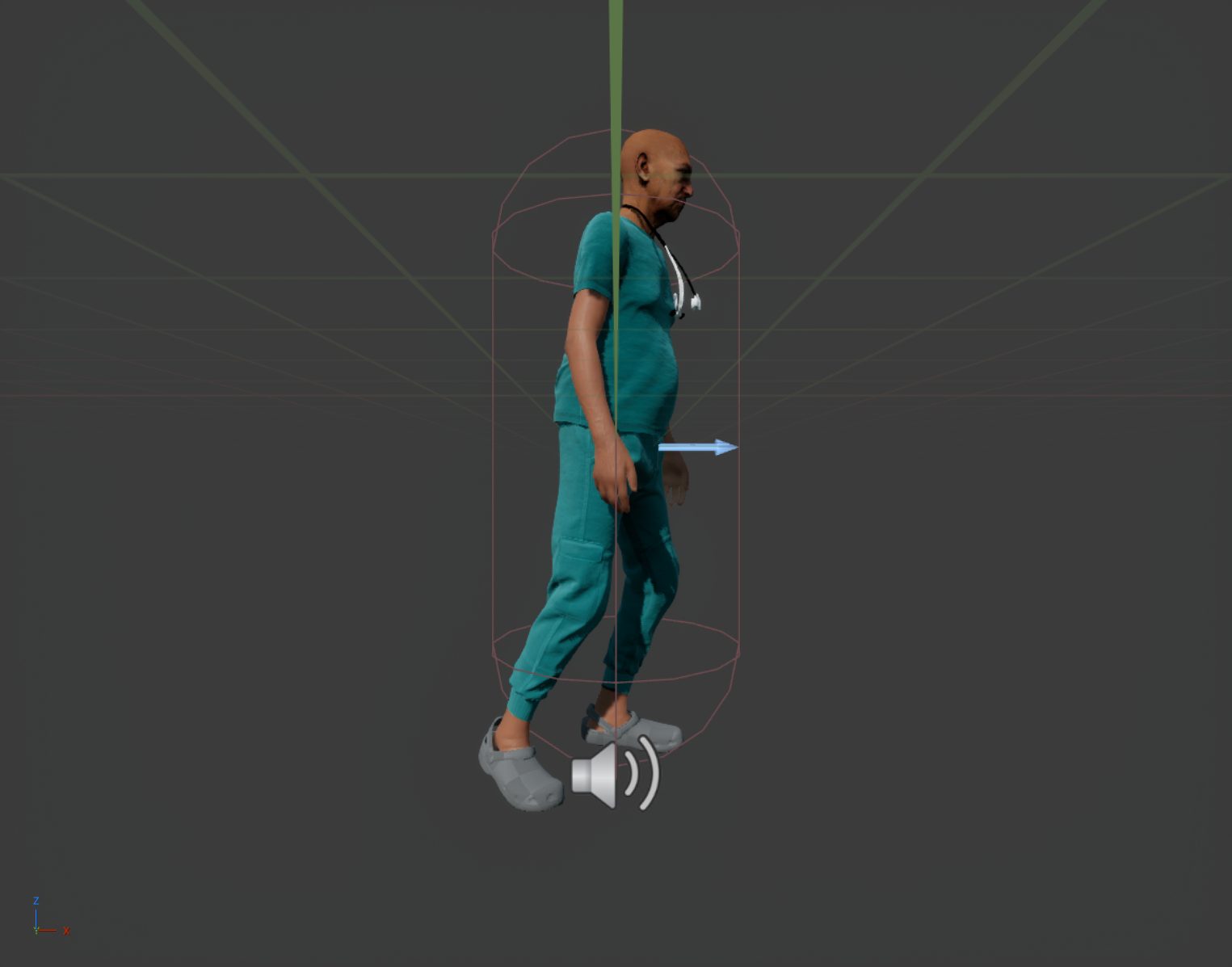
| MetaHuman Creator (Epic Games) | Mira (from a Fab preset) and Dr. Adler (from the “Walter” preset); audio-driven facial animation for 9 doctor lines. | Both characters. |
| Python + PIL (agent-written) | Procedural UI textures, LUT, projector film atlas, ECG/whiteboard textures, heartbeat, prologue textures. | Not AI-generated media; scripted. |
Epic Games content
| Asset | Source | Licence | Where | |
|---|---|---|---|---|
| First Person template (blueprints, anims, input), Mannequins (Manny/Quinn), UEFN Mannequin | UE 5.9 project template | Unreal Engine EULA | Base character/game mode lineage, NPC mannequins in Previz, retarget targets | used |
| Game Animation Sample (subset: sparse locomotion DBs, vault/mantle/hurdle montages, foley data) | Epic Games via Fab | Free Epic content (UE EULA) | Mira's locomotion and traversal | used |
| MetaHuman (Creator, body/face rigs) | Epic Games | MetaHuman licence (UE) | Mira, Dr. Adler | doc |
| MetaHuman outfits: Slim Jeans, Chelsea Boots, Classic Clogs, Sweater; T-Shirt Variants (crewneck), Cargo Pants | Epic Games via Fab (free) | Fab (tier not recorded) | Mira's clothes; Dr. Adler's scrubs | used |
| Quixel Megascans (see Fab table) | Epic/Quixel via Fab | Fab Standard (free) | Most surfaces and many props | used |
Fab — third-party creators
| Asset | Creator | Licence | Where (scan) | |
|---|---|---|---|---|
| CC0 - Clapperboard | plaggy | CC0 (tagged CC-BY on Fab) | Chapter 1 (original clapper; derived board/flap meshes) | used |
| CC0 - Pile of Clothes 2 | plaggy | CC0 (tagged CC-BY on Fab) | Chapter 1, Hospital | used |
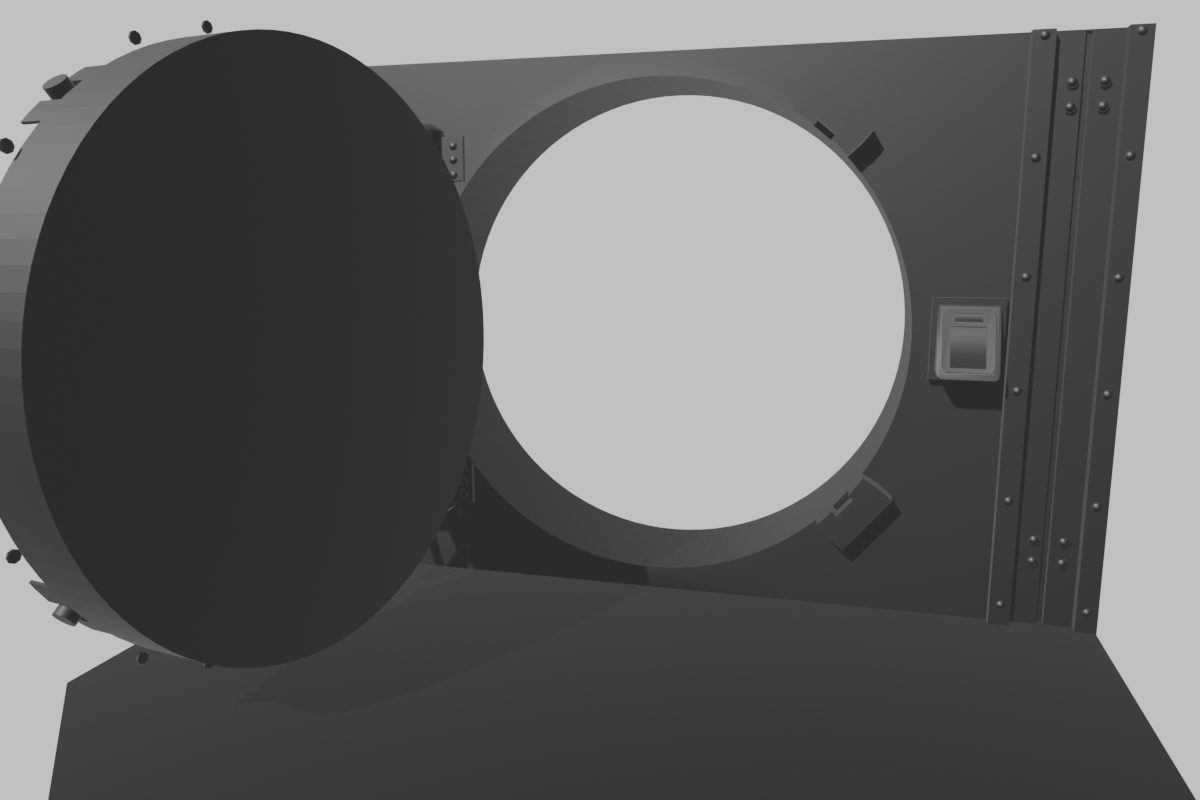
| Bank Vault | Arne Jans | CC BY (version not recorded) | Final Cut vault door | used |
| Realistic Smartphone | dimension Dazzle (per in-game credits) | CC BY | Hospital | used |
| Fine Gold Bar | Incg5764 | CC BY | Final Cut | used |
| Transparent curtain | Barnus Model's | CC BY | The Set (diffuser cloths) | used |
| Wooden Bookcases with Books | mtcollings | CC BY | Chapter 1 | used |
| Wooden Door | kellett66 | CC BY | All interactive doors (processed copy in CRF/Props/Door) | doc |
| Hollywood Movie Props VOL.3 | Dekogon | Fab Standard (free) | Light stands, production lights, truss — Chapter 1, Set | used |
| Director's Chair | GJA VFX | Fab Standard (free) | Chapter 1, Set | used |
| Table Lamp | swolo4 | Fab Standard (free) | Chapter 1 | used |
| Transport case | Sousinho Games | Fab Standard (free) | Chapter 1 | used |
| Vintage Factory Hanging Lamp (Procedural) | not recorded | Fab Standard (free) | Chapter 1 pendant lamps | used check |
| 10,000 USD Money Stack | ModelVault3D | not recorded | Final Cut | used check |
| Simple First-Person Flashlight Animations V1 (incl. its flashlight mesh/demo assets) | Treety | Free (Personal + Professional) | Torch | used |
| Skotukeda3 (MetaHuman preset) | skotu keda | Free on Fab — tier not recorded | Mira's base | doc check |
| Essential Ambience SFX | Sound Kajiya | Free for Personal licence only | Level ambiences (menu, Previz, Set, Final Cut, Hospital) | used check |
| Small Sound Kit | not recorded | Fab Standard (free) | UI/door/reveal SFX | used check |
| Latches: Mechanical Locking / Unlocking SFX Pack1 | not recorded | Fab Standard (free) | Action!/Cut clicks, doors | used check |
Quixel Megascans (via Fab, Fab Standard, free)
Surfaces: Dusty Concrete Floor, Concrete Wall, Scratched Painted Metal, Brushed Metal, Metal Panels Facade, Clean Wood Planks, Wood Planks, Wooden Floor, Plaster Wall, Strip Bond Oak Parquet, Plush Carpet, Red Brick Wall, Stucco Facade. Decals: Oil Stain, Leakage, Line of Tape.
Props: Cardboard Box, Clay Cup, Electrical Cabinet, Fluorescent Ceiling Lamp, Historic Bazaar Rug Fabric Old 06, Historic Mansion Decorative Clock Mixed Old, Industrial Construction Ducts Set Cloth Modular 01, Industrial Construction Scaffolding Ledger Metal, Industrial Interior Construction Cable Rolled L, Industrial Interior Construction Equipment Lamp S, Metal Hatch, Metal Pendant Light, Metal Pipe Joint, Old Wire Spool, Old Wooden Window, Painted Wooden Door, Power Cable, Rusty Metal Cabinet, Rusty Metal Can, Rusty Metal Shelf, Sandbag Pile, Small Wire Reel, Urban Office Equipment Armchair Leather Old 01, Urban Office Equipment Case Plastic Worn, Urban Office Equipment Chair Mixed Old 03, Urban Office Equipment Safe Metal Small, Urban Shanty Town Blanket Fabric Worn, Wooden Cable Reel, Wooden Chair, Wooden Crate, Wooden Window Frame. used
Poly Haven (CC0 — no attribution required; thank you, Poly Haven)
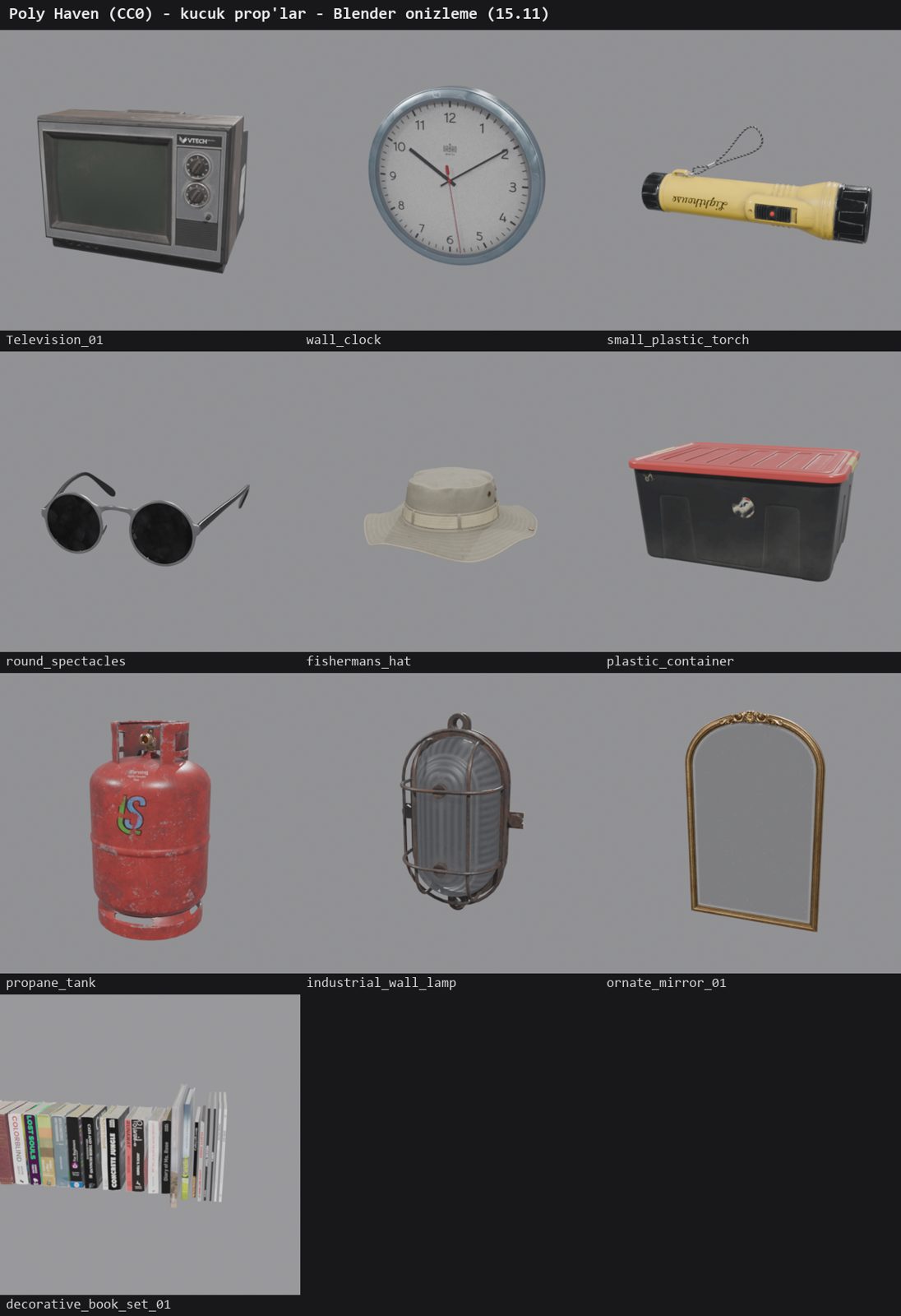
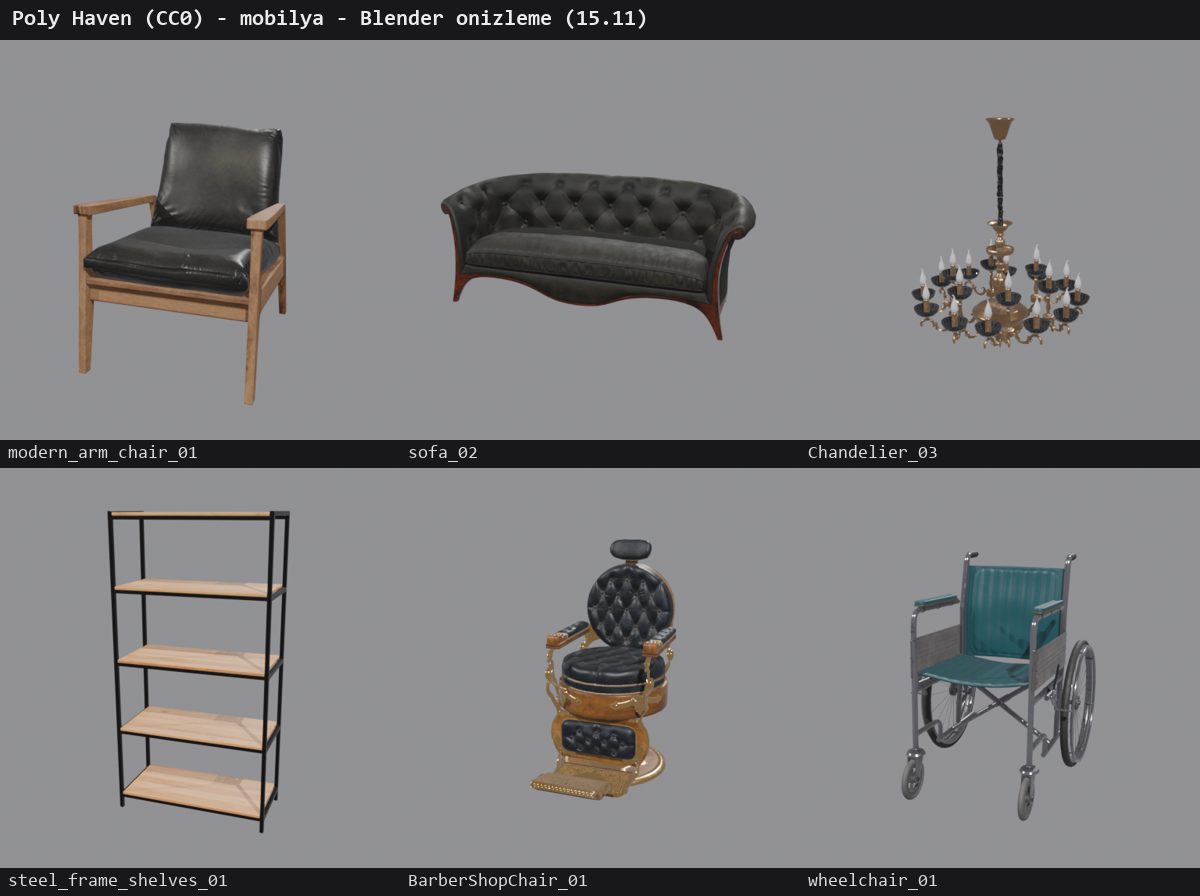
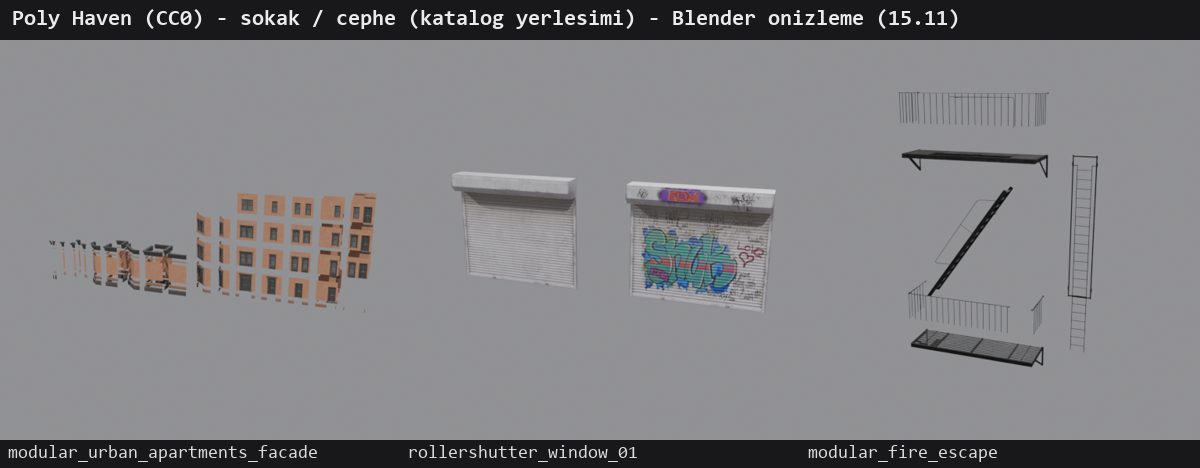
Models found in the shipped levels: ArmChair_01, BarberShopChair_01, binder_notebook, book_encyclopedia_set_01, caged_hanging_light, cardboard_box_01, cassette_player, Chandelier_03, clipboard, desk_lamp_arm_01, drawer_cabinet, fancy_picture_frame_01, filmstrip_projector_8mm, fishermans_hat, industrial_storage_cart, industrial_wall_lamp, medical_box, Megaphone_01, metal_office_desk, metal_stool_02, modern_arm_chair_01, office_notepads, old_military_crate, ornate_mirror_01, painted_wooden_nightstand, plastic_container, potted_plant_04, power_box_01, propane_tank, round_spectacles, small_plastic_torch, sofa_02, stationery_supplies, steel_frame_shelves_01, Television_01, tool_cart, vintage_radio_transceiver, vintage_video_camera, wall_clock, wheelchair_01, wooden_crate_01. Also listed for the hospital in its attribution file: side_table_01, medical_tape, plastic_monobloc_chair_01, vintage_crutches_01, mounted_fluorescent_lights, and textures granite_tile, plastered_wall, polystyrene, cotton_jersey, floor_tiles_02.
Other sources
| Asset | Source | Licence | Where | |
|---|---|---|---|---|
| Animations: Laying, Waking, Standing Up, Getting Up, Gathering Objects | Mixamo (Adobe), downloaded by İzzet | Mixamo terms (not recorded in project docs) | Opening wake-up, floor pick-ups | doc check |
| Clapperboard model | Generated with Meshy by İzzet | Depends on Meshy plan (not recorded) | Mira's clapper, hospital bedside | used check |
Stethoscope model (SM_Stethoscope2) | Supplied by İzzet, from 3d66.com | Unclear | Dr. Adler | doc check |
Heart-beep recording (SW_Fade_HeartBip) | İzzet's heartbip.WAV | Origin not recorded | Fade-front beep | doc check |
| Fonts: Bebas Neue (Dharma Type), IBM Plex Mono (IBM) | Open-source fonts | SIL Open Font License 1.1 (licence files in UI_Source/Fonts) | All UI (and this page's headings) | doc |
Made by us / by agents from scratch
All Blueprints, materials, Niagara systems, UI, levels and lighting; 17 hospital props, the stethoscope placeholder and name badge (Blender scripts); curved film ribbons and set façades (Geometry Script); procedural textures, LUT and heartbeat (Python). Lighting references and an inventory-wheel reference image supplied by İzzet were used as reference only and are not in the game or on this page.
Pictures of the third-party assets
We only show assets we have a clean preview of; everything else is visible in the level shots above.


08Credits & thanks
A game by İzzet Alşan & Tuğçe Alşan
Made for Epic AI MegaJam 2026 — theme: Director's Cut
Directed agents Claude Fable 5.2 (orchestration) and Claude Opus 5.5 (production) in Claude Code, with Unreal MCP
Voices generated with ElevenLabs (elevenlabs.io) — George, Lily, Adam, Alice
Concept art ChatGPT · Clapper model Meshy · Characters MetaHuman (Epic Games) · Locomotion Game Animation Sample (Epic Games) · Animations Mixamo
CC BY attributions: Bank Vault by Arne Jans · Realistic Smartphone by dimension Dazzle · Fine Gold Bar by Incg5764 · Transparent curtain by Barnus Model's · Wooden Bookcases with Books by mtcollings · Wooden Door by kellett66 — all via Fab.
Thank you plaggy (CC0 clapperboard, clothes), Dekogon, GJA VFX, swolo4, Sousinho Games, ModelVault3D, Treety, skotu keda, Sound Kajiya, Quixel Megascans, and Poly Haven for an incredible CC0 library.
Fonts Bebas Neue (Dharma Type), IBM Plex Mono (IBM) — SIL OFL 1.1.
09Accuracy notes & source gaps
- Measured by bots or in the editor, not by people: all run times (e.g. the 121 s menu-to-menu run) and most fps numbers come from PIE bot runs or a Development build with the editor still open. Human play time is not measured — Chapter 1 was designed for about 8 minutes, unverified.
- Unheard audio: many VO lines and SFX were checked by duration/level, not by ear.
- Licences to confirm before release: stethoscope model from 3d66.com (licence unclear, currently on Dr. Adler); Essential Ambience SFX (free for Personal licence only — jam has cash prizes); Mixamo terms; Meshy plan for the clapper; ElevenLabs Free plan (the team's own log notes it is non-commercial and requires attribution); creator/licence for 10,000 USD Money Stack, Vintage Factory Hanging Lamp, Small Sound Kit, Latches SFX Pack1, Skotukeda3; CC BY licence versions; origin of the heart-beep recording.
- Assets without a picture here: most Megascans/Fab props (no clean previews on disk), Hollywood VOL.3, Director's Chair, Table Lamp, Transport case, the Fab SFX packs, the flashlight animation pack.
- Dependency scan caveats: the scan reads package references inside the shipped level files; assets that live inside our own folders (processed door, characters) are attributed from the docs instead. “Where” columns are approximate.
- Pre-jam work: the first commit is 14 Nov 01:32 (template, MCP settings, jam documents). Whether any prompts or configs existed before 12 Nov is for the team to confirm.
10Türkçe özet
Cutting Room Floor, filmden kesilen oyuncu Mira'nın birinci şahıs bulmaca oyunu. Oyuncu yerdeki işarette “Action!” deyip tel kafes dünyayı gerçeğe çeviriyor, “Cut” ile geri alıyor; arkasından gelen yanık cephe ise sahneyi siliyor. Oyunu iki kişilik ekibimiz (İzzet ve Tuğçe Alşan) yazmadı; yönetti: bir Claude Fable 5.2 oturumu planladı ve denetledi, Claude Opus 5.5 alt oturumları Unreal MCP üzerinden editörde her şeyi üretti. Tek editörü paylaşan ajanlar için sıra/pencere sistemi kurduk; çökme, 25 dakikalık donma, softlock ve 9 denemelik paketleme gibi sorunları ve çözümlerini dürüstçe yazdık. Kullanılan tüm üçüncü taraf içerikler ve yapay zekâ araçları 7. bölümde, doğrulanamayan lisanslar 9. bölümde listeli.